
Pre-Orthodontic Bonding for Worn Dentition with Dr. Marcela Alvarez
A restorative-driven approach to orthodontics, worn dentition, collapsed bites, minimally invasive treatment planning, and airway-conscious comprehensive care.
When the Teeth Are Worn, the Orthodontist Needs a Blueprint
Pre-orthodontic bonding changes the sequence. Instead of asking the orthodontist to move pathologically worn teeth into an imagined final position, the restorative dentist first rebuilds the missing anatomy so the team can treatment plan from biologic and restorative truth.
In this episode of the Dental Digest Podcast, Dr. Melissa Seibert speaks with Dr. Marcela Alvarez about the pre-orthodontic bonding concept. This approach is especially relevant for patients with generalized or localized tooth wear, collapsed bites, altered vertical dimension, airway-related skeletal concerns, and compromised anterior guidance.
The central idea is simple but profound: the restorative dentist corrects anatomy, and the orthodontist corrects position. By restoring ideal tooth length, width, and form with composite before or during orthodontic treatment, the orthodontist receives a three-dimensional prescription in the patient’s mouth. The result is a more precise, conservative, and interdisciplinary path toward final restorations.
Why Pre-Orthodontic Bonding Matters in the Worn Dentition
Short Teeth Are a Problem, Not a Diagnosis
One of Dr. Alvarez’s most important points is that “short teeth” should not be treated as a diagnosis. Teeth may appear short because of microdontia, dental wear, altered passive eruption, dentoalveolar extrusion, or a combination of etiologies. Each diagnosis leads to a different sequence.
When wear is involved, the teeth, bone, and gingival tissues may have moved with the worn dentition. In those cases, simply increasing the vertical dimension or preparing every tooth may be more invasive than necessary. Orthodontic intrusion, space redistribution, crown lengthening, or additive composite bonding may each play a role depending on the diagnosis.
The Restorative Dentist Creates the Target
Traditional interdisciplinary care often fails when the restorative dentist sends a patient to the orthodontist with a vague request to “do ortho.” In a severe wear case, the orthodontist cannot reliably infer the ideal tooth position when the teeth no longer have ideal anatomy.
Pre-orthodontic bonding solves this communication problem by placing the restorative end point directly in the patient’s mouth. The composite additions are not merely a motivational mock-up. They are a functional and diagnostic guide that helps the orthodontist understand where the teeth should be moved for the final restorative plan.
The Single-Tooth Wax-Up Is Different From a Traditional Wax-Up
Dr. Alvarez distinguishes the single-tooth wax-up from a conventional full-mouth diagnostic wax-up. In pre-orthodontic bonding, the goal is not to establish final occlusion on an articulator. The goal is to restore the missing anatomy of each worn tooth individually, limited to the worn surface and independent of the current occlusion.
This is a subtle but critical distinction. The wax-up is used to rebuild normal tooth morphology so the orthodontist can see the intended length, width, incisal edge position, and occlusal anatomy. It becomes a restorative prescription rather than a final occlusal scheme.
Analog and Digital Workflows
Dr. Alvarez describes both analog and digital workflows. In the analog workflow, the single-tooth wax-up is transferred through a matrix, often using warmed composite to improve adaptation. In the digital workflow, the team creates a digital design and 3D prints resin buildups that can be bonded directly to the worn surfaces.
The advantage of the digital workflow is efficiency. Multiple buildups can be delivered in one appointment, chair time can be reduced, and the process can become more scalable for complex interdisciplinary cases.
Airway-Conscious Treatment Planning
The episode also connects pre-orthodontic bonding to airway-conscious dentistry. In patients with wear, collapsed bites, skeletal discrepancies, or orthognathic surgery considerations, the restorative reference becomes even more important. For example, if a patient is being considered for maxillomandibular advancement, the surgeon may need a reliable maxillary incisal edge position to guide jaw positioning.
In this context, pre-orthodontic bonding is not just about making teeth look longer. It can help establish a stable anatomical reference for orthodontics, restorative dentistry, and surgical planning.
Clinical Takeaways
- Pre-orthodontic bonding is restorative-driven orthodontics: The restorative dentist builds the correct anatomy first, then the orthodontist moves the teeth into the proper position.
- Short teeth require diagnosis: Microdontia, dental wear, altered passive eruption, and dentoalveolar extrusion can all create short-looking teeth, but they require different treatment sequences.
- The single-tooth wax-up is not a traditional wax-up: It restores each worn tooth to proper morphology independent of the current occlusion, creating a three-dimensional orthodontic prescription.
- Pre-orthodontic bonding improves team communication: Instead of relying on notes, photos, or vague instructions, the orthodontist sees the restorative plan directly in the patient’s mouth.
- The technique supports minimally invasive dentistry: Better tooth positioning can reduce the need for aggressive preparations and help preserve tooth structure.
- Some cases require intermediate bonding: If teeth are severely rotated, crowded, too low in the face, or affected by altered passive eruption, orthodontics or periodontal treatment may need to occur before bonding.
Key Questions This Episode Helps Answer
What is pre-orthodontic bonding?
Pre-orthodontic bonding is a restorative-driven orthodontic concept where worn or malformed teeth are built back to ideal anatomy with composite before or during orthodontic treatment so the orthodontist can move teeth toward the correct restorative end point.
Why does tooth wear complicate orthodontic treatment?
Tooth wear can eliminate normal incisal edge position, tooth proportions, anterior guidance, posterior anatomy, and vertical dimension references. Without those references, the orthodontist may align teeth into positions dictated by pathology rather than function or restorative design.
When should pre-orthodontic bonding be delayed?
It may be delayed in cases with severe crowding, major rotations, esthetic concerns from temporarily lengthening teeth too early, or altered passive eruption requiring periodontal correction first.
How does this help preserve tooth structure?
By moving teeth into better restorative positions before final restorations, the clinician may need to remove less tooth structure and can often use more additive, adhesive, minimally invasive restorations.
How does this relate to airway-conscious dentistry?
In patients with collapsed bites, skeletal discrepancies, or orthognathic surgery planning, pre-orthodontic bonding can help re-establish anatomic references such as incisal edge position, which may be important for interdisciplinary planning.
Chapters & Timestamps
| Timestamp | Topic Covered in Episode |
|---|---|
| [00:00] | Introduction to Dr. Marcela Alvarez and the Pre-Orthodontic Bonding Concept |
| [04:00] | Why Worn Dentition Requires Restorative-Driven Orthodontic Planning |
| [09:30] | How Pre-Orthodontic Bonding Improves Orthodontic Predictability |
| [16:00] | The Single-Tooth Wax-Up and Composite Bonding Workflow |
| [23:00] | Airway Patients, Worn Dentition, and Orthognathic Planning |
| [31:00] | Diagnosing Short Teeth: Wear, Microdontia, and Altered Passive Eruption |
| [39:00] | Bite Turbos, Same-Day Orthodontic Bonding, and Protecting Composite Buildups |
| [46:00] | When Not to Perform Pre-Orthodontic Bonding |
| [54:00] | Interdisciplinary Communication and the Restorative Dentist as Quarterback |
| [62:00] | Common Implementation Mistakes and the Future of the Technique |
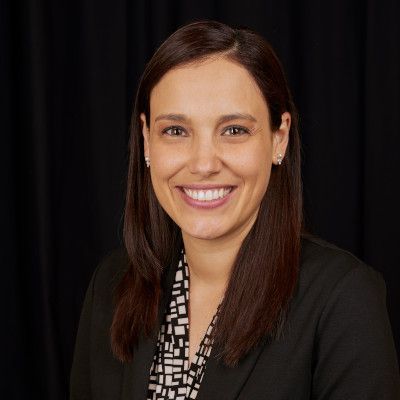
Dr. Marcela Alvarez
Prosthodontist · Educator · Restorative-Driven Orthodontic Treatment Planning
Dr. Marcela Alvarez is a prosthodontist and educator known for her work in interdisciplinary restorative dentistry and the pre-orthodontic bonding concept. She earned her dental degree from the Universidad Autónoma de Nuevo León and completed prosthodontic specialty training at LSU School of Dentistry, where she also earned a Master of Science in Dentistry. Her teaching and publications focus on restorative treatment planning, zirconia bonding, minimally invasive dentistry, and improving communication between restorative dentists and orthodontists.
Learn with Elevated GP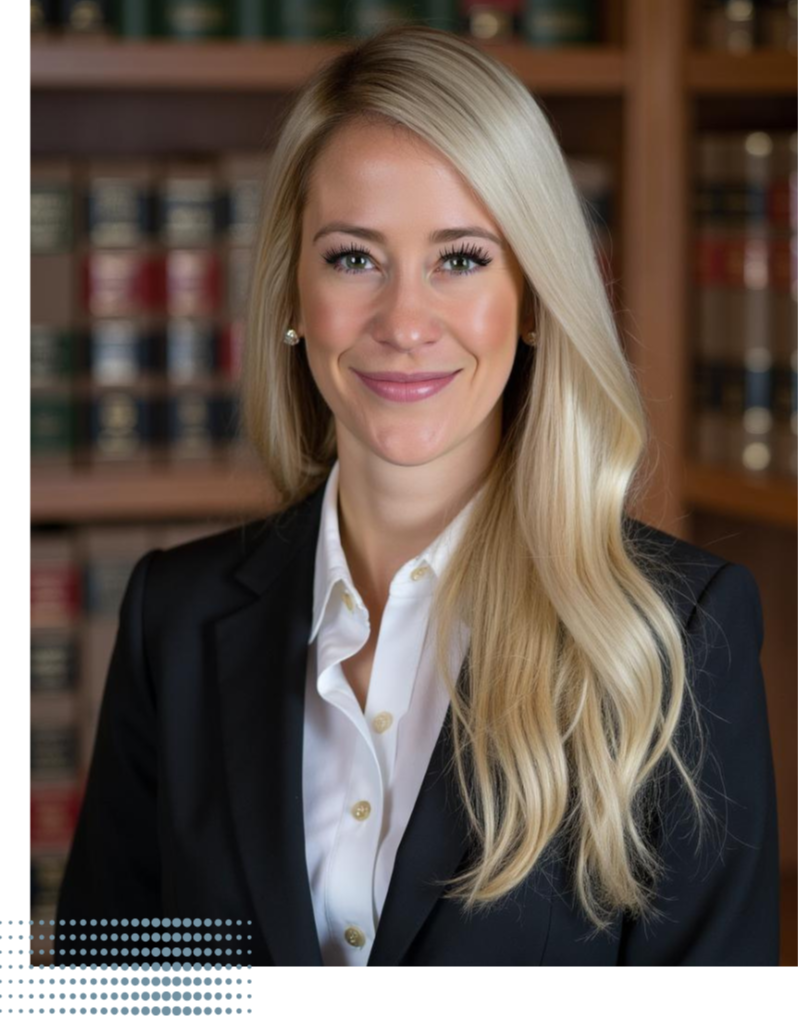
Dr. Melissa Seibert
DMD, MS, FAGD, ABGD
Dr. Melissa Seibert is the creator and host of the Dental Digest Podcast, a clinical dental podcast dedicated to helping dentists stay on the cutting edge of evidence-based dentistry. She is a clinician, educator, speaker, and founder of Elevated GP, a virtual study club and advanced education community for general dentists who want to become exceptional comprehensive clinicians.
Publications & SpeakingLearn the Systems Behind Comprehensive Dentistry
Dental Digest introduces you to the ideas shaping modern dentistry. Elevated GP helps you turn those ideas into clinical judgment through live CE, case-based mentorship, on-demand education, and a community of dentists committed to excellence.
Explore Elevated GPStudies & Resources
- Robbins, J. W., Alvarez, M. G., Beckel, B. T., Norris, R. T., & Caesar, R. R. Restoratively guided orthodontic treatment: The pre-orthodontic bonding concept. Journal of Esthetic and Restorative Dentistry. PubMed PMID: 35575348
- Chantler, J. G. M., et al. Rehabilitation of the Worn Dentition With Direct and Indirect Minimally Invasive Concepts: A Systematic Review and Meta-Analysis. Journal of Esthetic and Restorative Dentistry. PubMed PMID: 39670301
- Mehta, S. B., et al. Clinical performance of direct composite resin restorations in a full mouth rehabilitation for patients with severe tooth wear: 5.5-year results. Journal of Dentistry. PubMed PMID: 34229000
- Mesko, M. E., et al. Rehabilitation of severely worn teeth: A systematic review of clinical studies. Journal of Dentistry. PubMed PMID: 24721500
- Hempton, T. J., & Dominici, J. T. Clinical crown lengthening in the esthetic zone. Journal of the American Dental Association. PubMed PMID: 17915591
- Walker, A., Kassir, M. F., Sama, V., Nguyen, S. A., & Abdelwahab, M. Maxillomandibular Advancement Safety and Effectiveness in Obstructive Sleep Apnea: Systematic Review and Meta-Analysis. Otolaryngology–Head and Neck Surgery. PubMed PMID: 39764681
Episode Transcript Excerpt
Dr. Melissa Seibert: In this episode, I’m joined by Dr. Marcela Alvarez, a prosthodontist and educator who is pioneering the pre-orthodontic bonding concept. This restorative-driven approach flips the traditional sequence by establishing anatomy first, guiding orthodontists with a three-dimensional blueprint instead of leaving them to guess at the finish line.
Dr. Marcela Alvarez: In cases of generalized or localized wear, the pre-orthodontic bonding concept represents a paradigm shift. It is a restorative-driven orthodontic treatment, not the other way around. The patient’s occlusion, vertical dimension, and anterior guidance have already been altered by wear. As a result, the tooth position no longer reflects the original or ideal function and aesthetic parameters.
Dr. Marcela Alvarez: I, as a restorative dentist, correct the anatomy and the orthodontist corrects the position. We are restoring the anatomical form of the teeth with composite before braces or in the middle of orthodontic treatment. It is a three-dimensional blueprint prescription in the patient’s mouth.
Dr. Melissa Seibert: Effectively, this is complex interdisciplinary treatment planning where now you are taking the guesswork out for your colleague.
Dr. Marcela Alvarez: Exactly. Sending patients to the orthodontist with a note that says “do ortho” is not enough. We need to guide the orthodontist with our restorative treatment plan. We need to move away from the mindset that each specialist just stays in their own lane. Restorative dentists, orthodontists, surgeons, we all need to be part of one unified treatment vision.
Dr. Marcela Alvarez: Instead of a traditional wax-up where I mount the case and add length to make the ideal incisal position of the teeth with the right occlusion, I do what I call the single-tooth wax-up. It has a very specific purpose: to restore the worn teeth to normal anatomy independent of the occlusion.
Dr. Marcela Alvarez: Short teeth are a problem. They are not a diagnosis. There are three main diagnoses for short teeth: microdontia, dental wear, and altered passive eruption. When wear is involved, you also get dentoalveolar extrusion with wear, meaning the teeth, bone, and soft tissue have moved into position. They are not in the correct positions.
Dr. Marcela Alvarez: Pre-orthodontic bonding changes the sequence and collaboration because it allows the restorative dentist to build a clear anatomical reference so the orthodontist can move the teeth precisely, not guess anymore. The result is more predictable, more efficient, more conservative treatment, and ultimately it is a win for the entire team, especially our patients.