
Occlusion, Facially Generated Treatment Planning, and Worn Dentition with Dr. Gregg Kinzer
A restorative discussion on occlusal failures, facially generated treatment planning, central incisor position, co-discovery, interdisciplinary dentistry, and why complex cases should be reverse engineered from the face.
Complex Dentistry Starts With the Face, Not the Tooth.
Occlusion matters, but it should not be isolated from esthetics, facial analysis, airway, tooth position, tissue position, and the patient’s understanding of why the treatment plan exists.
In this episode of the Dental Digest Podcast, Dr. Melissa Seibert continues her conversation with Dr. Gregg Kinzer on occlusion, treatment planning, and the diagnostic mindset that underpins comprehensive restorative dentistry.
The episode begins with a realistic conversation about failure. Dr. Kinzer explains that clinical failures happen in every practice, but the goal is to learn from them, minimize them, recognize patterns earlier, and build a community of clinicians who can help troubleshoot complex cases.
From there, the discussion moves into facially generated treatment planning, often abbreviated FGTP. Rather than starting with the tooth or the occlusion, FGTP begins with the face, lips, central incisors, tooth display, smile line, and tissue architecture. Once the esthetic destination is understood, the clinician can reverse engineer the occlusal, orthodontic, restorative, surgical, and airway-related steps required to get there.
Why Occlusion Should Be Planned Inside a Broader Diagnostic Architecture
Failure Is a Teacher, but It Should Not Be the Only Teacher
Dr. Kinzer opens the conversation by discussing failures in dentistry. His framing is pragmatic: every clinician will experience failures, especially when doing more complex dentistry. The differentiator is not whether failure happens, but how the clinician understands it, troubleshoots it, and learns from it.
He also emphasizes that clinicians can learn from other people’s failures. That is one of the reasons mentorship, community, and high-level continuing education matter. A dentist who is isolated may have to personally experience every mistake before recognizing the pattern. A dentist embedded in a community can often learn faster and with less collateral damage.
Community Is a Clinical Asset
The episode repeatedly returns to community. Dr. Seibert and Dr. Kinzer discuss the importance of having trusted colleagues, mentors, and interdisciplinary collaborators. Complex dentistry becomes far less opaque when clinicians have people they can call, cases they can discuss, and diagnostic frameworks they can compare.
This is especially true for interdisciplinary dentistry. Restorative dentists, orthodontists, oral surgeons, prosthodontists, periodontists, and airway-focused clinicians often see different parts of the same patient. A strong professional network lets the clinician think beyond the limitations of a single-operatory worldview.
Facially Generated Treatment Planning Reorganized Restorative Dentistry
Dr. Kinzer describes facially generated treatment planning as treatment planning from the outside in. Historically, many restorative cases were planned primarily from occlusion: the mandibular plane of occlusion, curve of Wilson, curve of Spee, condylar position, and posterior relationships. FGTP changed the starting point.
Instead of starting with the occlusal scheme, the clinician first determines where the upper teeth should be in the face. The central incisors become the first major anchor. From there, the clinician evaluates tooth display at rest, lip length, lip mobility, smile line, incisal edge position, tissue position, and then progresses into occlusion, vertical dimension, overbite, overjet, condylar position, and restorative design.
Think Like a Denture Clinician, Even When Treating Dentate Patients
One of the most clinically useful analogies in the episode is the denture analogy. When clinicians make complete dentures, they do not begin by setting the lower posterior occlusion. They first use the face, lips, smile, and esthetic plane to determine where the teeth should be.
Dr. Kinzer argues that the same principle applies to complex dentate treatment planning. Start with the central incisors and the face. Decide where the teeth and tissue should live. Then determine what orthodontic, periodontal, surgical, restorative, or occlusal changes are needed to place the patient in that position.
Normal Esthetic Parameters Help Dentists See Abnormality
The episode emphasizes that a clinician cannot diagnose abnormal tooth display, lip length, lip mobility, or smile architecture unless they understand normal patterns. Dr. Kinzer describes how knowing the expected norms for tooth display at rest, lip position, age, gender, and facial relationships allows clinicians to identify why a patient looks the way they do.
Once the clinician sees the deviation from normal, the treatment plan becomes more coherent. The question changes from “What restoration does this tooth need?” to “Why does the patient’s smile, face, tooth position, and occlusion look this way, and what options could move the system toward a healthier or more esthetic arrangement?”
Visualization Is Not About Selling the Case
Dr. Kinzer also discusses the use of simple visual overlays or templates to sketch where the teeth and tissue should be. These tools may look basic compared with sophisticated digital smile design platforms, but their purpose is different.
The point is not to create a glamorous sales simulation. The point is to help the clinician, patient, orthodontist, surgeon, and restorative team visualize the gap between the current condition and the desired position. That simple visual contrast helps patients understand why the treatment plan may involve orthodontics, intrusion, restorative dentistry, orthognathic surgery, or changes in vertical dimension.
Co-Discovery Changes the Conversation
The episode closes with a discussion of co-discovery, a concept associated with Bob Barkley and deeply integrated into the Spear-style diagnostic conversation. Instead of entering the room with a list of procedures, the clinician gives the patient a tour of their mouth.
Dr. Kinzer describes four broad categories for this tour: esthetics, function or bite, individual teeth, and overall health. When patients understand what the dentist sees and why it matters, they begin asking better questions. Treatment planning becomes a shared diagnostic process rather than a unilateral presentation of procedures and fees.
Clinical Takeaways
- Failure is inevitable, but unmanaged failure is not: Complex dentistry requires systems for learning from complications, recognizing risk, and troubleshooting problems before they cascade.
- Community improves clinical judgment: Trusted colleagues, mentors, and interdisciplinary collaborators help clinicians learn from patterns they may not yet have personally experienced.
- FGTP begins with the face: The clinician starts by evaluating the face, lips, tooth display, smile line, and central incisor position before designing the occlusion.
- Central incisors anchor the plan: Incisal edge position and tissue position help determine how the rest of the esthetic and restorative plan should be reverse engineered.
- Occlusion is designed after the esthetic destination is defined: Overbite, overjet, vertical dimension, and condylar position are planned after the clinician understands where the teeth should live in the face.
- Visualization helps patients and teams understand the “why”: Simple overlays can show the difference between where teeth are and where they need to be, making interdisciplinary treatment more comprehensible.
- Co-discovery creates better case acceptance ethically: Patients are more likely to understand and value treatment when they first understand the clinical findings and consequences.
- Comprehensive dentistry is not single-tooth dentistry: Complex restorative planning must include esthetics, function, structure, biology, airway, and patient goals.
Key Questions This Episode Helps Answer
What is facially generated treatment planning?
Facially generated treatment planning is a treatment planning process that begins with the face, lips, smile, tooth display, central incisor position, and tissue position before moving into occlusion, vertical dimension, restorative design, and interdisciplinary sequencing.
Why does FGTP start with the central incisors?
The central incisors strongly influence esthetics, tooth display, smile design, phonetics, and the eventual occlusal and restorative plan. Their ideal position helps anchor the rest of the treatment plan.
How does FGTP differ from occlusion-first planning?
Occlusion-first planning begins with the mandibular occlusal scheme and functional relationships. FGTP begins with the desired esthetic and facial tooth position, then designs the occlusion around that destination.
Why is visualization useful in complex cases?
Visualization helps the clinician and patient see where the teeth and tissues are now compared with where they need to be. This makes the rationale for orthodontics, surgery, restorative changes, or vertical dimension changes easier to understand.
What is co-discovery in dentistry?
Co-discovery is a communication approach where the dentist helps the patient understand findings through images, explanation, and guided questions rather than simply prescribing a treatment plan.
Why is community important for comprehensive dentists?
Community gives dentists access to other clinicians’ experience, failures, ideas, and mentorship. This is especially valuable for interdisciplinary dentistry, occlusion, airway cases, and complex restorative treatment planning.
Chapters & Timestamps
| Timestamp | Topic Covered in Episode |
|---|---|
| [00:00] | Elevated GP and Net32 Introductions |
| [03:00] | Introduction to Part 2 with Dr. Gregg Kinzer |
| [05:00] | Failures, Occlusion Workshops, and Learning from Complications |
| [10:00] | Why Dentists Need Community and Interdisciplinary Support |
| [16:00] | Facially Generated Treatment Planning Explained |
| [22:00] | Starting With Central Incisor Position |
| [28:00] | Esthetic Norms, Tooth Display, Lip Length, and Smile Line |
| [35:00] | Airway, Orthognathic Surgery, and Interdisciplinary Dentistry |
| [43:00] | Visualization, Templates, and Treatment Planning Overlays |
| [52:00] | Co-Discovery and the Tour of the Mouth |
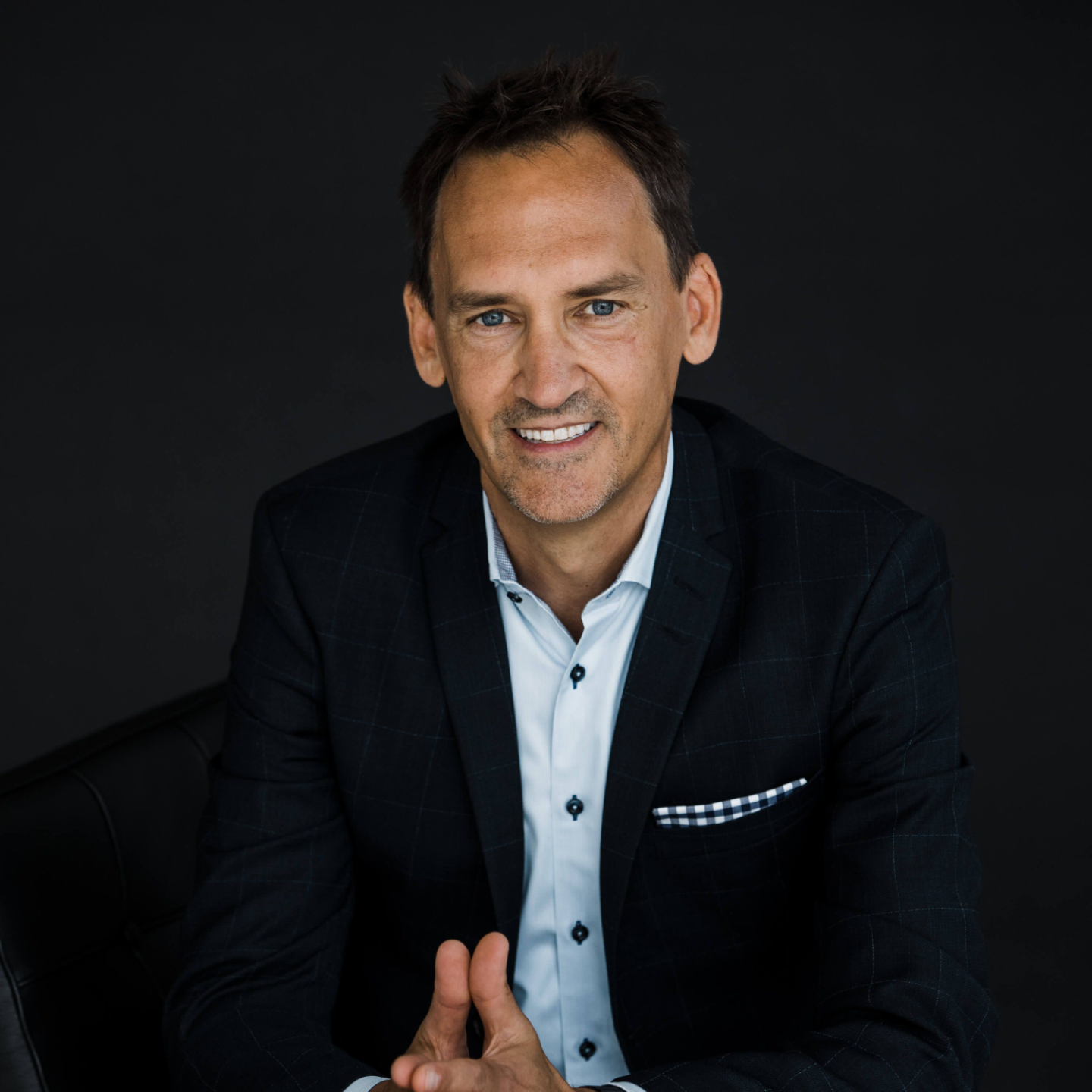
Dr. Gregg Kinzer
Restorative Dentist · Spear Education Faculty · Occlusion & Comprehensive Treatment Planning
Dr. Gregg Kinzer is an internationally recognized clinician, educator, and speaker. He serves as Faculty Chair and Director of Curriculum and Campus Education for Spear Education in Scottsdale, Arizona, and as an affiliate assistant professor in the Graduate Prosthodontics Department at the University of Washington School of Dentistry. He has written numerous articles and chapters and has served on editorial review boards for dental publications.
Learn with Elevated GP
Dr. Melissa Seibert
DMD, MS, FAGD, ABGD
Dr. Melissa Seibert is the creator and host of the Dental Digest Podcast, a clinical dental podcast dedicated to helping dentists stay on the cutting edge of evidence-based dentistry. She is a clinician, educator, speaker, and founder of Elevated GP, a virtual study club and advanced education community for general dentists who want to become exceptional comprehensive clinicians.
Publications & SpeakingBuild the Judgment Behind Complex Restorative Care
Dental Digest introduces you to the ideas shaping modern dentistry. Elevated GP helps you turn those ideas into clinical judgment through live CE, case-based mentorship, on-demand education, and a community of dentists committed to evidence-based excellence.
Explore Elevated GPStudies & Resources
- Spear, F. M. Interdisciplinary Management of Worn Anterior Teeth. Facially Generated Treatment Planning. Dental Clinics of North America. PubMed PMID: 27281975
- Abduo, J., & Lyons, K. Clinical considerations for increasing occlusal vertical dimension: a review. Australian Dental Journal. PubMed PMID: 22536588
- Loomans, B., et al. Tooth wear: a systematic review of treatment options. Journal of Prosthetic Dentistry. PubMed PMID: 24721500
- Rehabilitation Strategies and Occlusal Vertical Dimension Considerations in the Management of Worn Dentitions: Consensus Statement From SSRD, SEPES, and PROSEC Conference on Minimally Invasive Restorations. PubMed PMID: 39931975
- Occlusal Vertical Dimension: Best Evidence Consensus Statement. Journal of Prosthodontics. PubMed PMID: 33783090
- A systematic review of interventions after restoring the occluding surfaces of anterior and posterior teeth that are affected by tooth wear with filled resin composites. PubMed PMID: 32497554
- Treatment of Tooth Wear Using Direct or Indirect Restorations: A Systematic Review of Clinical Studies. PubMed Search
- The restorative management of tooth wear involving the aesthetic zone. PubMed PMID: 29495024
Full Episode Transcript
Dr. Melissa Seibert: If you've been listening to this podcast for a while, you've probably noticed that I very rarely include ads, and that's intentional. I never want to interrupt your listening experience with a bunch of promotions. But more importantly, I don't want to recommend anything I don't personally believe in or use myself just to make a few bucks.
That said, there is something I do want to share with you because I created it. It's Elevated GP. This is my own educational platform and the mission behind it is simple, to empower super general dentists.
Dentists like you who want to stay sharp, practice at a high level, and stay grounded in evidence-based care. Inside Elevated GP, we dive into topics like modern caries management, composite techniques, material science, implant workflows, and more. We meet live once a month for a collaborative session and you'll get access to our growing course library, all the session recordings, and a vibrant group chat filled with like-minded dentists.
So if you're looking for an easy way to stay on the cutting edge and grow as a clinician, check out theelevatedgp.com. Again, that's theelevatedgp.com. I've also included a link to it in the show notes. It's something I'm deeply proud of and I'd love for you to be a part of it.
Hey everyone, before we dive into today's episode, I want to take a quick moment to talk to you about Net32, the ultimate online platform for dental professionals.
If you're a dentist, dental hygienist, or just someone working in the dental field, you're going to want to hear this. If you're tired of paying premium prices for dental supplies or dealing with the headache of ordering from multiple vendors, Net32 has your back. It's the largest online marketplace where dental professionals can compare prices on thousands of products from top brands and suppliers all in one place.
The best part? You don't have to be a giant practice to benefit. Whether you're just starting out or running a well-established clinic, Net32 offers competitive pricing and a wide selection of supplies from equipment to consumables. Plus, their easy-to-use platform lets you track orders, find discounts, and get everything you need delivered right to your door.
And if you're worried about quality, don't be. Net32 only partners with trusted suppliers, so you can rest assured you're getting top-notch products at the best prices. So if you're ready to save time, save money, and simplify your purchasing process, head over to Net32.com. That's Net32.com, where dental professionals find everything they need in one place.
All right, let's get back to the show.
Hey, welcome to Dental Digest. This is a podcast with a mission of enabling you to stay on the cutting edge of evidence-based dentistry, and I'm your host, Dr. Melissa Seibert.
Dr. Gregg Kinzer is back this week for part two, where we'll be delving into occlusion. Dr. Kinzer is an internationally recognized speaker who serves as Faculty Chair and Director of Curriculum and Campus Education for Spear Education in Scottsdale, Arizona, and as an affiliate assistant professor in the Graduate Prosthodontics Department at the University of Washington School of Dentistry.
In addition, Dr. Kinzer has written numerous articles and chapters and has served on the editorial review board for various dental publications.
By the way, if you enjoy this podcast, would you mind just taking a few seconds of your time to leave a rating and subscribe on the Apple Podcasts app, Spotify, which appears to be supplanting the Apple Podcasts app and is a bit more popular these days, or wherever it is that you might get your podcast? And share this with a friend because sharing is caring.
Okay, now let's jump into the interview with Dr. Gregg Kinzer.
Dr. Melissa Seibert: You know, I was just laughing a little bit because I also had the opportunity to attend the occlusion workshop. And you know, at the start of every workshop, they always ask, why are you here? A few people got up and they were like, I don't want any more failures ever again.
And Darin, great guy, best guy ever, was like, well, good luck because you are going to have failures for the rest of your career. But I almost just think it's about failing better. Maybe the failures are a little bit more predictable. Maybe you know how to troubleshoot them. Maybe you can at least have a little bit of an inkling and see it coming. I think it's all about failing forward.
Dr. Gregg Kinzer: Yeah, I show failures. I show my own failures. I show more of Frank's failures actually than I do my own. And it's not that I don't have my own. I have my own.
But I think that I don't have as many as he does because I learned from his failures. Right? So you learn from things that don't go well. In fact, you learn more when things don't go well.
Because if everything works, you could be a C-level dentist and everything works. You think, I am the king here. This is fantastic. Look, I just did. But then you have one patient that has some issues and then all of a sudden you feel super incompetent.
So failure forces you to be at the top of your game. And you're right. Failure happens in everyone's practice, mine included. But it's how do you get out of it? How do you minimize it?
Because I said I don't have as many as Frank. How do you minimize it? Because that's a bad day. If you have the patient that broke a bunch of stuff that you did and they're your first patient Monday, I guarantee you, if you look at the schedule, your weekend is ruined.
Mine would be ruined because I'm going to be ruminating on, oh my gosh, I'm going to have to defend this and I'm going to have to do all this stuff. So we try to keep it a small number. And I think it just requires some focus.
But people say, if you're not failing, you're not learning. I don't know if I'd take it that far. I wouldn't say you have to fail to learn, but I think you can learn from other people's failures.
Dr. Melissa Seibert: Yeah. Failing within reason, right? Not from gross negligence. Hopefully after you've made that same mistake twice, typically, hopefully you learn.
But I also think this calls to mind, for me, just the importance of having community. I feel like I'm really blessed and I know that you are too. I have really incredible friends that I trust and I know that I could call up. And of course, you don't want to abuse that friendship. But I think it's so critical for dentists to have a community of other dentists that they trust and they can turn to.
And by the way, you can really hear from the MARPE I've got going on, that speech impediment is really coming through strong. By the way, I have to say, you're one of really only two people I'm going to record a podcast episode with while I'm going through MARPE because there is definitely a speech impediment. But having the opportunity to have you on, I mean, we're going to do it anyway.
Dr. Gregg Kinzer: Listen, you're going to be your worst critic of what you hear because you hear yourself all the time. It's not anything that is problematic. So it's not a problem.
But you're 100% right. A community of dentists to be able to have as a support, that's one, but also to have as a resource for information. And it's amazing.
So we were just at the Arnett Orthognathic Surgery Forum last weekend in Santa Barbara. Bill Arnett and Mike Gunson. And it's a new meeting that I've never been to before. It was mainly oral surgeons and orthodontists. So I knew a handful of people, but by far not many people at all.
I left there and I have a brand new community now. Finding like-minded dentists that have a passion for what they do and a drive to do it at the top level, when you find those people, you have a built-in community. You just share a couple of conversations and I'm going to go, oh, I feel like I've known you forever.
So it was amazing to me to be able to be around a bunch of orthognathic surgeons from around the world and all of a sudden feel like I have a community when I have orthognathic questions and issues and these airway things, that I have a community of other people to go to with questions because everybody's got different experiences.
So every time we're meeting new people, that community is getting bigger and bigger and bigger.
Dr. Melissa Seibert: Oh, super important, especially with just practicing interdisciplinary dentistry. Really, maybe endodontists are the one exception, but you cannot afford to be siloed off, just enabling you to communicate effectively.
But I want to shift gears here a little bit and talk as well. One of the big emphasis items at Spear, something you teach, is the concept of facially generated treatment planning, the big FGTP. Do you mind briefly describing what that is?
Dr. Gregg Kinzer: Yeah. Today it's the standard of treatment planning, but it was Frank that developed it back in 1986. So quite a while ago.
If you go back to that time period before 1986, the way we as dentists planned our care was occlusion. Occlusion ruled the world. Maybe that's why we make occlusion so challenging because it ruled everything.
Back in the 30s and 40s, with things like Monson's spherical theory of occlusion, we planned the lower plane of occlusion, lower anterior, lower posterior, curve of Wilson, curve of Spee. That was our initial planning. It was all occlusively based.
And then Frank, when he started getting out into practice, said aesthetics are actually quite important and they're becoming more important. Patients are asking for them and dentists are wanting better aesthetics.
So he said, we need to change the way we treatment plan our dentistry. And he developed this concept called facially generated treatment planning. We just, that's a mouthful, so we say FGTP.
Facially generated treatment planning is treatment planning from the outside in. The way we've always equated it is if you were doing a denture, how would you start your denture?
You wouldn't go, well, I'm going to set my lower plane of occlusion. I'm going to go Class I molars and premolars. No. You're going to put a big wax wafer in their mouth and you're going to have them in repose and you're going to have them smile.
What you're looking for is you're using the lips in repose and you're using the lip mobility and the smile line to find the incisal plane, occlusal plane. You're using the face to start setting the aesthetics for your patient. That's your first step on a denture.
Even before you mount the case, you're using your little arc and your flag and you do aesthetics. Then when you go to set your teeth, you're still not going into occlusion. You're setting your centrals.
So the basic concept of FGTP is treat it like it's a denture. Figure out where you want to put upper teeth, incisal edges, starting with the centrals, then laterals, canines, posterior, occlusal plane. Then figure out where you want to put the tissue on those teeth.
That's one. Then you do the same on the lower. And then when you can tell me where you want to aesthetically put the teeth, then we can start to figure out, all right, what type of an occlusion now would you like? Overbite, overjet, condylar position, vertical dimension of occlusion.
So it's very linear in the thought process. Every treatment planning philosophy that's out there now is based with the foundation of FGTP.
I think that's Frank's biggest gift to us in dentistry, making us think differently with treatment planning. Talk to Coachman, he'll say the basis for DSD is based in FGTP. Multiple philosophies are based in that concept.
What's beautiful about it is the simplicity. And in the workshop, we talk about this. If I said to you, okay, I'm going to teach you treatment planning. So when I see a gummy smile patient, this is your treatment planning thought process. When I see a worn dentition patient, this is your thought process. When I see a deep bite, this is your process.
Can you imagine how confusing it would be? At the end of the day, you're like, wait, was that a gummy smile treatment plan or was that a worn dentition treatment plan? No. The FGTP process is one way.
One way to evaluate a patient and figure out where you want to put teeth and figure out where you want to design the occlusion. So it's just one way to process your way through, and you apply it to every patient. I think what makes it so user-friendly is the simplicity. I think that's the key.
Dr. Melissa Seibert: Yeah. And it is kind of crazy to think because I feel like Frank Spear is a pretty humble guy. If I had really devised FGTP, I would make it known in the dental community.
But yeah, that's really kind of how I've been trained. I will say in some regards, some people have trained me as an old-school gnathologist. So I truly was trained to use curve of Monson, curve of Wilson.
So let's talk about this though. The basis and the starting point with FGTP is where to put the centrals. So where do you start with that?
Dr. Gregg Kinzer: Yeah. So one of the things that we lean into in the workshop is if you're treatment planning a tooth, which is how dentists are taught to plan, right? Dental school, we're taught to treatment plan a tooth.
How do you know how to treatment plan a tooth? How do you know when a tooth needs a plan put on it? It's a basic question, right? Because you almost go, well, that's a stupid question. Well, at one point it wasn't because at one point you had no idea when a tooth needed to be treated.
When you're a first-year dental student, maybe a second-year dental student. So you go, all right, I know the problems that a tooth can have, and I know what a normal tooth is. And when I see the problems, I know I should treat the tooth. Basic thought process.
Now let's take it to a more global thought process. When patients come in with aesthetic issues, airway issues, maybe even occlusion issues, how do you know they have problems?
The answer to that is, you know they have a problem when they fall out of the norm. When things don't fit the averages, then it should elucidate, hmm, that's not normal. I wonder why? Because if I can figure out why they look the way they do, it helps me figure out how to put a plan together.
In the workshop, we then go through, how do you know where teeth need to be? Well, where should teeth be normally? That's the question.
And so we spend time talking about, here's the average tooth display in repose with age and gender over time. Here's what the lip length should be if everything's normal. Here's what the lip does over time. Here's what the mobility is. Here's what happens over time.
So once you know the norms, you can now spot the problems a mile away.
I always joke, so we have two kids that are, one is in dental school, one is actually a dentist. So between Jill and I and the girls, there's four of us that are dentists. I love to play this game with Jill where we'll be out and about. You're at the airport, you're out to dinner, and you can look across and maybe it's your waiter. Then the waiter leaves the table and you go, what did you think of that? Can you diagnose him?
Because you don't even need to do a dental exam on patients to be able to see when things don't fit the norm. Because you see patients from the front and you see people from the front, from the side, you see them in repose, you see them smile.
When you know what a normal face should look like and you know where normal lips and teeth should be, when things are abnormal, they stick out really well.
Basically, we start with laying the foundation of here's what's normal. And when things aren't normal, here's some of the etiologic explanations as to why.
One of the things that Bill Arnett said, and it was striking because it is the way we think at Spear, was you can look at a face and know they have an airway problem by just looking at the face.
And then you go, all right, if I make the face look correct, whether that's from profile or from the frontal views, making the face look better, the airway health gets better.
And so that's what happens in dentistry. I need to know what normal faces look like and normal relationships of lips and teeth look like. And when they're not, if I make them normal, I know I'm helping them aesthetically, functionally, from a health standpoint. So it's all related. Make them look normal.
Dr. Melissa Seibert: Listen, there was a point in time when I really did not enjoy dentistry. Some days I even downright hated it. I felt like my dental school did not prepare me for the real world. Dentistry is not a lot of fun when you don't know what's going on.
I am where I am today because of mentors, a three-year residency training, and good CE. And I wanted to bring this to you. Become a member of Elevated GP so you can get confident through competence. This is a membership program where you'll have access to on-demand courses and our monthly study club, also known as Journal Club. To get registered, go to theelevatedgp.com. I hope to see you there.
Dr. Melissa Seibert: Eventually, I am most likely going to get MMA. We've talked about this. I have sleep apnea, and I will most likely go to that practice, hopefully, for it.
Dr. Gregg Kinzer: Those guys are amazing to me. It's amazing. I think what we do in dentistry is pretty cool, right? Not compared to what surgeons do.
I saw photos and videos of surgical things, and I'm like, wow, that is light years above what you and I do, prepping a tooth and placing composite and getting them. Man, these guys are changing lives and faces. It's amazing.
And I have so much respect for our interdisciplinary colleagues. Maybe they feel the same way about things that we do, but it's amazing what these surgeons can do. And that office is light years. They're amazing.
Dr. Melissa Seibert: I agree. However, I would almost caveat with I don't necessarily think every surgeon is necessarily that amazing. I mean, they're pretty exceptional, but I think with a pretty invasive surgery like maxillofacial advancement, I hate to say it, I don't know if you would agree with this, but I think that it needs to be a surgeon with extensive training.
I don't think most people in their oral surgery residency just get that sort of training. I find that a lot of oral surgeons get extensively trained, but then they end up wanting to go into private practice and take out thirds and place implants. I don't know. Maybe I'm being a little judgmental here.
Dr. Gregg Kinzer: No, I think you're right. And I think as a patient, you would do your due diligence to find somebody with the most experience and the highest skills, because you could say the same with dentists.
We're all dentists, but not all dentists are created equal. So you find the ones that have the skill set, that have the experience. I've done thousands of cases, or whatever it is, and here's my results and here's the way I think.
And you're right. Everybody's different. So not all dentists, orthodontists, surgeons, nobody's the same.
I know their practice only does orthognathics, right? They don't do implants. They don't take out teeth.
Dr. Melissa Seibert: Yeah, that's fair because you cannot be good at everything. Nobody can do everything. In fact, I'm even getting to a point in my career where there's certain things I'm beginning to sort of drop.
Dr. Gregg Kinzer: Lovely, isn't it?
Dr. Melissa Seibert: Yeah, no, it's not lovely. It actually makes me sad. But the reality is you just can't be good at everything.
So let me ask you this. With the workflow that you taught with FGTP, you kind of taught a very simple way to approach it because you can get really lost in the sauce very quickly, and you need a very systematized way to do it.
Kind of what you taught is determining where the centrals should be, and then just really taking overlays of the patient's photos. And then just simply using an app on iPad, just kind of briefly sketch where the teeth should be. That's an awesome tool.
Is that kind of what you do in everyday practice? Because I realize sometimes there's a lot of value in teaching simple tools because that makes it possible for people to implement. However, I imagine with more complex cases, maybe not always doing that.
Dr. Gregg Kinzer: I would say no. In fact, the more complex the case, the more I am doing it. The process that you said, using the templates, the little basic stick figure drawings of teeth, we refer to it as visualization.
It's visualizing the aesthetic position of where you want the teeth and tissue to be. It's not true for all dentists, but I think most of us are visual type of people.
So for me, if you were to watch me put a treatment plan together, watch my thought process, if you could jump in my head and see what's happening, I really start to click when I put the templates on and start to figure out where I want to put the teeth.
Again, starting with the centrals. When I can see on a photo, here's where I want the edges to be, and here's where I want the tissue to be, my mind now can visualize that and go, okay, if that's where I really want it to be, and that's where it is now, what are my options in which to get there?
Even though the stick figure templates seem pretty basic, and they are, it's like if you can copy and paste, anybody can put a template on. So it's the thought process of figuring out where you want to put the teeth.
If you compare the simplicity of a template to things like SmileCloud or DSD, it looks childish. But if you think about the purpose of it, the purpose of it isn't to sell a case.
The purpose of it is to illustrate here's where things are, because I can still see the natural teeth and tissue behind it, and here's where I want it to go.
So it helps me visually, but it also helps me communicate to my orthodontist, to my surgeon, communicating to my patient, where they can see, not like, here's what your smile is going to look like. That's not my goal. My goal is, here's where your teeth are, here's where your tissue is, here's where I want it to be.
Then they'll start to ask the questions as to, well, how do we do that? How do we get the tooth up to that position? That's a different type of discussion as opposed to you telling the patient, you need to go to the orthodontist and do some intrusion, and then I'm going to do some restorations on your teeth.
If they understand the why behind it and where things need to go, they will lead you down the discussion of what needs to be done. But more often than not, dentists spend their time telling patients what they have to do.
It's a different conversation than having them understand why they look the way they do and what the possibilities might be.
Jeff Rouse and I practiced together in Seattle for about three years because we wanted to be around each other so we could learn from each other. Even though he and I never trained together, we went to different schools, we went there at different times, we both did the same thing.
Every time we put a plan together, we would use the templates. We put the templates on the photos, and that's when we start to go. That's when our process is.
It was really interesting to see how similar we would think our way through a case. It always happened when we put the templates on. So the more complex, the more I need to visualize things like that.
Dr. Melissa Seibert: Yeah, there's tremendous value in that. Again, I think almost the way I was trained is the whole idea of design before you drive. Whereas prior to getting that training, the way I'd really approach things wasn't very methodical. It would kind of just be based on biofilm-mediated diseases. How do I do this restoration? How do we treat the perio?
Whereas with this way of treatment planning, it's what do I want the end result to be like? And then how do I reverse engineer to accomplish that?
We're almost out of time. I just kind of want to talk about a final concept that you talked about that I really appreciated. It's almost this idea of co-diagnosing. I don't know who actually coined that term. I'm not sure if that was you guys or somebody else, or even if that came from outside of dentistry.
But the idea is almost sort of don't just tell the patient these are all the things that are wrong with them, but perhaps providing them with visual aids to help them arrive at their own conclusion where it's really the two of you arriving at a conclusion together.
Dr. Gregg Kinzer: Yeah. The terminology is co-discovery approach. It was Bob Barkley. The co-discovery idea of talking to patients is the most impactful way for two people to communicate, especially when one person has a certain set of knowledge that the other person doesn't have.
As opposed to an authoritarian approach, which is maybe when we were children. This is the way our doctors or dentists told us, I'm the expert, you're the patient, I'm going to tell you what you have to do.
Today, the co-discovery approach is, and I use the terminology that I learned from Frank years ago, I'm going to give you a tour of your mouth.
And this tour of your mouth, I'm going to share with you the findings in four areas that I look at on all my patients. When I bring you in for an exam, I look at aesthetics of your teeth and your smile. I look at your bite. I look at the individual teeth for a current problem or the potential for a future problem. And I look at the overall health, those four main categories.
So in the tour of the mouth, let me share with you the findings that I found for you in those four areas.
Because the reality is this: patients may come in with a chief complaint, like, oh, this tooth, I broke it, or this one hurts. They may have a bunch of other problems that they don't know about.
And so if we go through the tour of the mouth, I'm spending time, which most dentists don't do. Most dentists go, I'm going to tell you what you have to do, and I've got about three to five minutes to do it before I've got to be back in my other room.
So I'm going to share with you, here's everything I found. Here's what it means to you, right? Here's the consequences of having some of these problems. And then here would be the options to be able to remedy it.
It's a way different impact than saying to somebody, you need ortho, and then you need four crowns.
So this whole, I know what I want to do, but I'm not going to come in there and tell you what you have to do. I'm going to help you understand what the problems are, what they mean to you.
Then if I do it correctly, you're going to start asking me, well, how would I change that? How can I make that look better? You're asking me a question now that enables me to share with you the possibilities that I can provide, as opposed to me giving you a piece of paper that says, here's what you have to do.
I think this happens a lot in practices where people get scared, like, oh, I presented all that treatment to a patient once and I scared him away. Yeah, because it's how you presented the treatment.
You presented it in the form of a treatment plan, as opposed to a discussion about your clinical findings and the impact that those findings have for that individual.
Dr. Melissa Seibert: I am a big fan of the idea of providing people with tremendous value upfront. I think that provides or creates so much trust. And I think that's part of the co-discovery process and presenting patients with your findings.
I will say that the orthodontist I ended up going with, Ilya Lipkin, provided tremendous value to me upfront. I have sleep apnea. I've known this for years, but no one, and I've been to many ENTs, no one's actually told me why.
His exam fee was inordinate. It was way more expensive than any exam fee I'd ever pay. And I was happy to do it because he really provided a comprehensive assessment of why I have sleep apnea.
Actually, he really just provided me with a lot of diagrams, a lot of imaging. And I knew going into that practice what I was looking for.
But I think a lot of patients that might not have this might not understand what's going on. I think just providing that tremendous value upfront, providing these images, as soon as he kind of showed me an image of my airway, there was no question. Yes, I am a candidate for MMA.
So kind of different idea, but exactly what you're talking about. Provide them with tremendous value upfront.
Dr. Gregg Kinzer: Yeah. You got to give them the information before you tell them what they need to do. They'll figure out what's right for them, but I have to let them know the information so they can actually do that.
Dr. Melissa Seibert: Exactly. Okay, well, this has been incredible. This has been years in the making. I'm so glad we had a chance to do this. Do you have any closing remarks?
Dr. Gregg Kinzer: No, I would just say it's lovely to finally do this. I know we have talked about this for a very long time. So this has been a joy for me.
And for anybody that might be listening, coming out to Spear, I would encourage it. It will change the way you view your patients. And I think it will have a big impact on your dental career moving forward, meaning that you'll have more fulfillment and more joy in what you do because you have more competence and confidence in what you're doing.
Dr. Melissa Seibert: I will actually second that as well. We talked about the idea of community and how important that is. I feel like every time I've been out to a Spear course, I really deepen that community.
Whenever I go to a course, I'm pretty anti-social. My intent is to get the information and focus. I never show up to the socials because I'm like, if I have a drink, I'm going to lose my edge. But I somehow still always end up making friends.
And if you're somebody that is feeling like I don't know where to go to begin to build a helpful network, that's a great place to start. Those are some high-caliber clinicians that go out to a course like that.
Dr. Gregg Kinzer: Yep. Spending time with like-minded dentists is a good thing, right? Everybody's passion exudes and everyone becomes more passionate about what they're doing.