Surgically Facilitated Orthodontic Therapy, PAOO, and Periodontal Phenotype with Dr. George Mandelaris
A biologically grounded discussion of SFOT, PAOO, regional acceleratory phenomenon, corticotomies, phenotype-driven treatment planning, orthodontic boundary conditions, and interdisciplinary adult orthodontics.
SFOT Is Not Just Faster Orthodontics. It Is Periodontal Architecture for Complex Tooth Movement.
The most compelling indication for surgically facilitated orthodontic therapy is often not speed. It is the opportunity to improve the periodontal and alveolar foundation before adult orthodontic movement challenges the limits of the dentoalveolar complex.
In this episode of the Dental Digest Podcast, Dr. Melissa Seibert speaks with Dr. George Mandelaris about surgically facilitated orthodontic therapy, commonly abbreviated as SFOT.
The conversation explains how SFOT evolved from corticotomy-assisted and periodontally accelerated osteogenic orthodontic concepts, including PAOO and AOO. Dr. Mandelaris discusses the regional acceleratory phenomenon, dental alveolar decortication, bone augmentation, airway-informed interdisciplinary planning, vulnerable periodontal phenotypes, and why adult orthodontics should be approached through a biologic and periodontal lens.
The central message is precise: SFOT can accelerate tooth movement, but that is not usually the primary reason to do it. The larger clinical value is creating a more robust periodontal phenotype, expanding orthodontic boundary conditions, and reducing compromise in patients whose anatomy may not tolerate conventional orthodontic movement safely or predictably.
What Surgically Facilitated Orthodontics Actually Does
SFOT Builds on PAOO, AOO, and Corticotomy-Assisted Orthodontics
Dr. Mandelaris explains that SFOT stands for surgically facilitated orthodontic therapy. The terminology emerged partly because earlier branded terms such as PAOO and AOO were associated with the Wilcko brothers, who helped popularize the modern approach and clarify much of the biology behind the procedure.
At its core, SFOT combines periodontal surgery with orthodontics. The surgical component commonly involves corticotomies or dental alveolar decortication around teeth, often combined with bone augmentation. This surgical injury creates a temporary biologic window in which orthodontic tooth movement can occur more efficiently.
The Regional Acceleratory Phenomenon Explains the Temporary Speed Increase
One of the key biologic mechanisms discussed in the episode is the regional acceleratory phenomenon, often called RAP. After a controlled surgical insult to bone, the tissues enter a temporary phase of accelerated remodeling. In the orthodontic context, this can create a demineralized bone matrix around the teeth for a limited period of time.
During that period, teeth may move more efficiently because the orthodontic system is working through a biologically altered bone environment. Dr. Mandelaris emphasizes that the corticotomies must be meaningful enough to influence the bone near the periodontal ligament. A superficial “scratch” far away from the ligament will not produce the same clinical effect.
Acceleration Is a Benefit, Not Usually the Main Indication
The episode makes an important correction: many clinicians associate SFOT with faster orthodontics, but patients rarely request the procedure solely to finish treatment faster. Dr. Mandelaris explains that acceleration is often appreciated, but it is not typically the main driver of treatment.
In complex adult cases, speed may still matter. For example, patients preparing for orthognathic surgery or airway-related surgical correction may benefit from shortening the orthodontic decompensation phase. But in most cases, the deeper purpose is biologic: improve the periodontal environment and reduce orthodontic compromise.
SFOT Can Expand Orthodontic Boundary Conditions
Orthodontists work within the limits of the dental alveolar complex. When teeth are crowded, proclined, decompensated, or expanded beyond the existing bone envelope, the patient may be at risk for dehiscence, recession, attachment loss, and compromised long-term stability.
By combining tooth movement with periodontal bone augmentation, SFOT may provide a more favorable alveolar foundation for selected orthodontic movements. Dr. Mandelaris repeatedly emphasizes that not every patient needs this treatment, but patients with vulnerable phenotypes or thin bone morphotypes may benefit from a more biologically supportive approach.
Phenotype-Driven Planning Changes the Orthodontic Conversation
Dr. Mandelaris describes phenotype-driven treatment planning using gingival and bony parameters. Gingival phenotype includes soft tissue thickness and the width of keratinized tissue. Bone morphotype involves evaluating the facial bone at the crest and mid-root, often with CBCT imaging.
This creates a more transparent planning model. Rather than simply moving crowns on a digital setup and assuming the periodontium will tolerate it, clinicians can evaluate whether planned tooth movement will mildly, moderately, or severely stress the patient’s existing phenotype.
Lower Anterior Crowding Is a Common Vulnerability Zone
The mandibular anterior region is repeatedly highlighted as a common site of risk. Lower anterior crowding often exists in the setting of limited facial bone, thin gingiva, minimal attached tissue, or narrow alveolar housing.
When the plan is non-extraction alignment or expansion, those teeth may be moved toward or beyond the existing alveolar limits. In those situations, phenotype assessment and possible periodontal augmentation become especially relevant.
Airway and Orthodontics Require a Bigger Diagnostic Frame
The episode also connects SFOT to broader interdisciplinary care. Dr. Mandelaris explains that many adult orthodontic patients have dentofacial disharmonies or airway concerns that cannot be solved by tooth alignment alone. Some patients require maxillofacial surgical correction, and the orthodontic decompensation phase may be part of a larger airway or skeletal treatment plan.
This does not mean SFOT is an airway procedure by itself. Rather, it can be part of the interdisciplinary pathway that helps a patient move through complex orthodontic, periodontal, and surgical treatment more predictably.
Clinical Takeaways
- SFOT stands for surgically facilitated orthodontic therapy: It combines periodontal surgery with orthodontics to support tooth movement in selected patients.
- PAOO and AOO helped shape the modern concept: The Wilcko brothers popularized periodontally accelerated osteogenic orthodontics and clarified the biology behind corticotomy-assisted approaches.
- RAP is the biologic engine: Regional acceleratory phenomenon creates a temporary period of increased bone remodeling after surgical injury.
- Speed is not usually the main reason: Accelerated tooth movement is a benefit, but many SFOT cases are driven by phenotype, alveolar housing, and boundary-condition concerns.
- Bone augmentation can improve the orthodontic foundation: SFOT often includes grafting to enhance the bone envelope around teeth that will be moved orthodontically.
- Phenotype matters before movement begins: Thin gingiva, limited keratinized tissue, thin facial bone, and alveolar deficiency can increase orthodontic risk.
- Lower anterior teeth are commonly vulnerable: Crowding, minimal attached tissue, and thin facial bone make mandibular incisors a frequent risk area.
- Interdisciplinary planning is essential: Complex adult orthodontic cases may require periodontists, orthodontists, restorative dentists, oral surgeons, airway providers, and myofunctional specialists.
Key Questions This Episode Helps Answer
What is surgically facilitated orthodontic therapy?
Surgically facilitated orthodontic therapy is an interdisciplinary approach that combines periodontal surgery, corticotomy or decortication, bone augmentation, and orthodontic treatment to support tooth movement in selected patients.
Is SFOT the same as PAOO?
SFOT is a broader descriptive term. PAOO, or periodontally accelerated osteogenic orthodontics, is one of the better-known related concepts popularized by the Wilcko brothers and associated with corticotomy-assisted orthodontics and alveolar augmentation.
What is the regional acceleratory phenomenon?
Regional acceleratory phenomenon is a temporary biologic response to bone injury that increases bone remodeling. In SFOT, this response can create a limited window during which orthodontic tooth movement may occur more efficiently.
Is faster orthodontic treatment the main reason to do SFOT?
Not usually. Acceleration is a useful benefit, but many cases are done to improve periodontal phenotype, increase alveolar bone support, expand orthodontic boundary conditions, and reduce biologic compromise.
Who is a candidate for SFOT?
Candidates may include orthodontic patients with vulnerable periodontal phenotypes, thin facial bone, limited keratinized tissue, lower anterior crowding, planned expansion, or tooth movement that may stress the existing alveolar housing.
Why does CBCT-based orthodontic planning matter?
CBCT-based planning can help clinicians evaluate the bone foundation around the teeth and see whether planned tooth movement may worsen or improve dentoalveolar deficiencies.
Chapters & Timestamps
| Timestamp | Topic Covered in Episode |
|---|---|
| [00:00] | Elevated GP and Net32 Introductions |
| [03:00] | Introduction to SFOT and Dr. George Mandelaris |
| [05:00] | What Surgically Facilitated Orthodontic Therapy Means |
| [09:00] | PAOO, AOO, the Wilcko Brothers, and SFOT Terminology |
| [13:00] | Corticotomies, Dental Alveolar Decortication, and RAP |
| [19:00] | Why Acceleration Is Not Usually the Primary Indication |
| [25:00] | Airway Patients, Orthognathic Surgery, and Decompensation |
| [31:00] | Demineralization, Remineralization, and Surgical Insult |
| [36:00] | Primary Indications for SFOT |
| [41:00] | Vulnerable Phenotype, Crowding, and Lower Anterior Risk |
| [48:00] | Phenotype-Driven Treatment Planning |
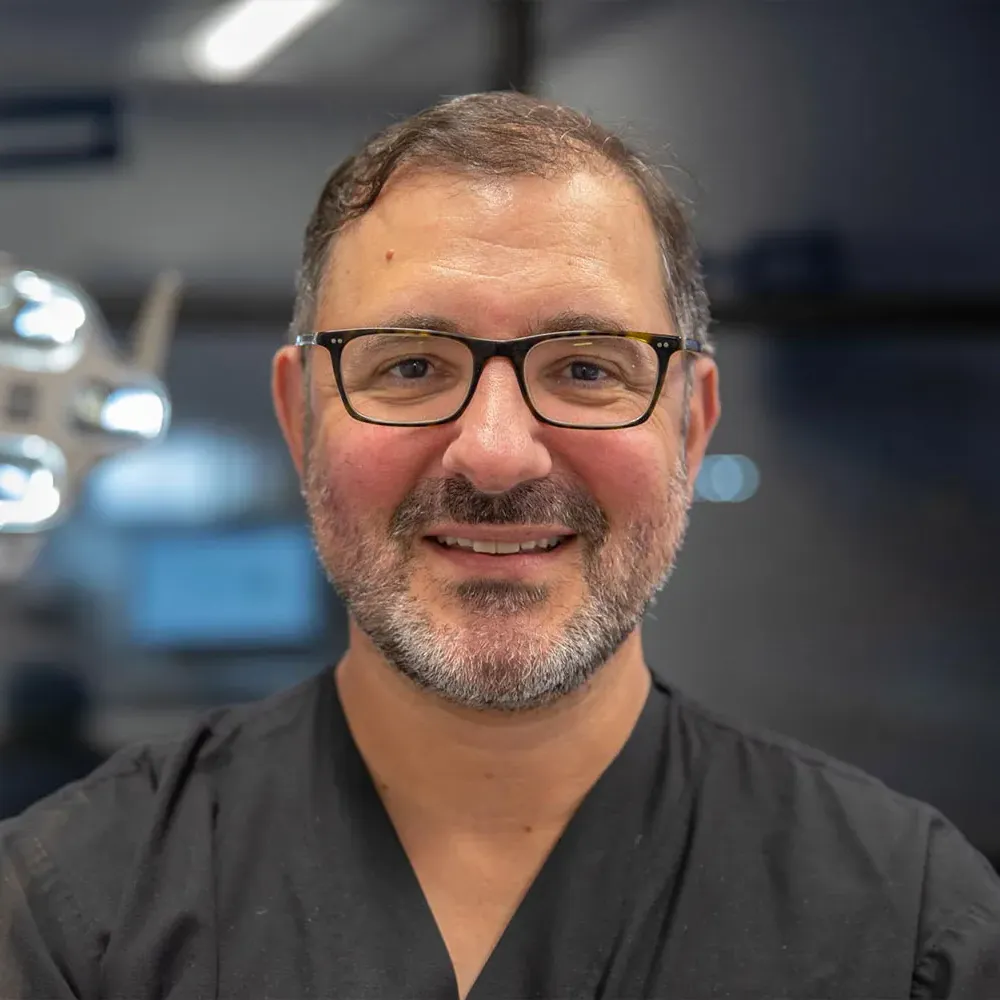
Dr. George Mandelaris
Periodontist · Educator · Interdisciplinary Surgical-Orthodontic Treatment Planning
Dr. George Mandelaris is a board-certified periodontist, textbook author, educator, and internationally recognized clinician in interdisciplinary periodontal, implant, and surgical-orthodontic therapy. He is a Clinical Assistant Professor in the Department of Graduate Periodontics at the University of Illinois College of Dentistry and an Adjunct Clinical Assistant Professor at the University of Michigan Department of Periodontics and Oral Medicine. He is also a Fellow in both the American and International College of Dentists.
Learn with Elevated GP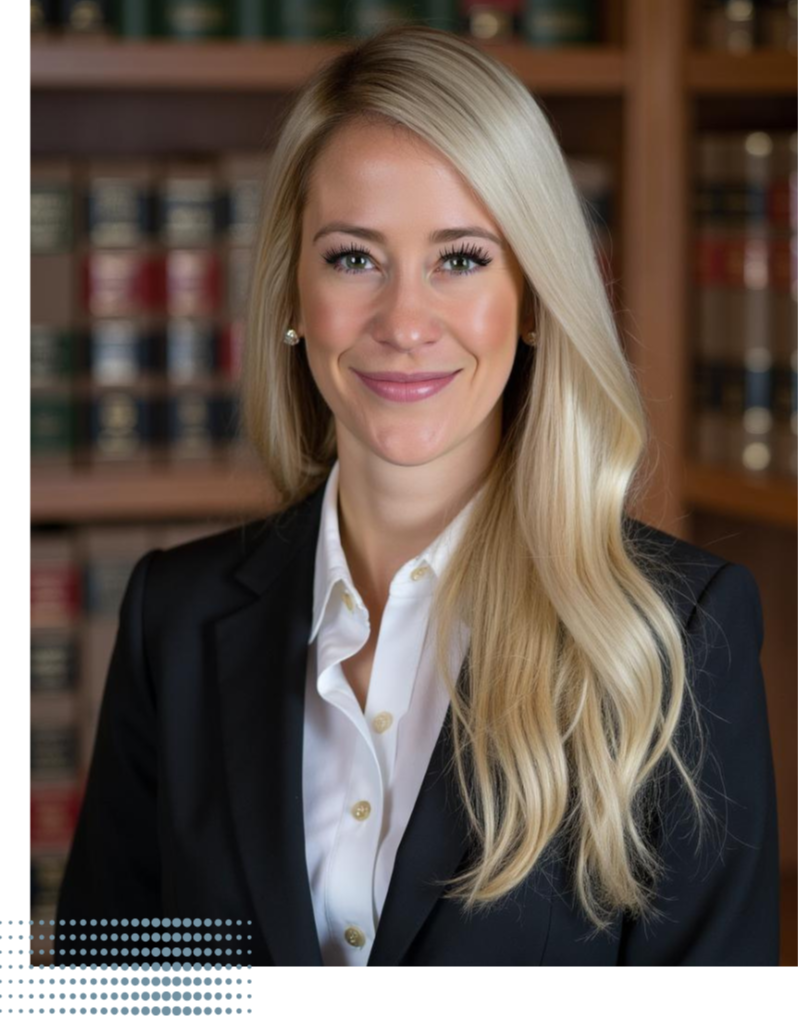
Dr. Melissa Seibert
DMD, MS, FAGD, ABGD
Dr. Melissa Seibert is the creator and host of the Dental Digest Podcast, a clinical dental podcast dedicated to helping dentists stay on the cutting edge of evidence-based dentistry. She is a clinician, educator, speaker, and founder of Elevated GP, a virtual study club and advanced education community for general dentists who want to become exceptional comprehensive clinicians.
Publications & SpeakingBuild the Clinical Judgment Behind Comprehensive Dentistry
Dental Digest introduces you to the ideas shaping modern dentistry. Elevated GP helps you turn those ideas into clinical judgment through live CE, case-based mentorship, on-demand education, and a community of dentists committed to evidence-based excellence.
Explore Elevated GPStudies & Resources
- Hoogeveen, E. J., Jansma, J., & Ren, Y. Surgically facilitated orthodontic treatment: a systematic review. American Journal of Orthodontics and Dentofacial Orthopedics. NCBI Bookshelf Summary
- Gil, A. P., Haas, O. L., Méndez-Manjón, I., Masiá-Gridilla, J., Valls-Ontañón, A., de Oliveira, R. B., & Hernández-Alfaro, F. Alveolar corticotomies for accelerated orthodontics: A systematic review. Journal of Cranio-Maxillofacial Surgery. PubMed PMID: 29395994
- Corticotomy in orthodontic treatment: systematic review. PubMed PMID: 32490239
- A systematic analysis of evidence for surgically accelerated orthodontics. PubMed PMID: 31636876
- Comparison of Effectiveness of Corticotomy-assisted Accelerated Orthodontic Treatment and Conventional Orthodontic Treatment: A Systematic Review. PubMed PMID: 33025943
- Periodontally accelerated osteogenic orthodontics: A perio-ortho ambidextrous perspective. PubMed PMID: 32509685
- Jepsen, S., et al. Effect of gingival phenotype on the maintenance of periodontal health: An American Academy of Periodontology best evidence review. Journal of Periodontology. PubMed PMID: 31691970
- Bone dehiscence formation during orthodontic tooth movement through atrophic alveolar ridges. PubMed PMID: 33378432
- Is gingival recession a consequence of an orthodontic tooth size and/or tooth position discrepancy? A paradigm shift. PubMed PMID: 21462624
Full Episode Transcript
Dr. Melissa Seibert: If you've been listening to this podcast for a while, you've probably noticed that I very rarely include ads, and that's intentional. I never want to interrupt your listening experience with a bunch of promotions. But more importantly, I don't want to recommend anything I don't personally believe in or use myself just to make a few bucks.
That said, there is something I do want to share with you because I created it. It's Elevated GP. This is my own educational platform and the mission behind it is simple: to empower super general dentists.
Dentists like you who want to stay sharp, practice at a high level, and stay grounded in evidence-based care. Inside Elevated GP, we dive into topics like modern caries management, composite techniques, material science, implant workflows, and more. We meet live once a month for a collaborative session and you'll get access to our growing course library, all the session recordings, and a vibrant group chat filled with like-minded dentists.
So if you're looking for an easy way to stay on the cutting edge and grow as a clinician, check out theelevatedgp.com. Again, that's theelevatedgp.com. I've also included a link to it in the show notes. It's something I'm deeply proud of and I'd love for you to be a part of it.
Hey everyone, before we dive into today's episode, I want to take a quick moment to talk to you about Net32, the ultimate online platform for dental professionals.
If you're a dentist, dental hygienist, or just someone working in the dental field, you're going to want to hear this. If you're tired of paying premium prices for dental supplies or dealing with the headache of ordering from multiple vendors, Net32 has your back. It's the largest online marketplace where dental professionals can compare prices on thousands of products from top brands and suppliers all in one place.
The best part? You don't have to be a giant practice to benefit. Whether you're just starting out or running a well-established clinic, Net32 offers competitive pricing and a wide selection of supplies from equipment to consumables. Plus, their easy-to-use platform lets you track orders, find discounts, and get everything you need delivered right to your door.
And if you're worried about quality, don't be. Net32 only partners with trusted suppliers so you can rest assured you're getting top-notch products at the best prices. So if you're ready to save time, save money, and simplify your purchasing process, head over to net32.com. That's net32.com where dental professionals find everything they need in one place.
All right, let's get back to the show.
Hey, welcome to Dental Digest. This is a podcast with a mission of enabling you to stay on the cutting edge of evidence-based dentistry.
I'm your host, Dr. Melissa Seibert. In this episode, we're diving into surgical-associated orthodontic therapy or SFOT. This powerful interdisciplinary approach combines periodontal surgery with orthodontics to accelerate tooth movement, expand treatment possibilities, and support long-term stability in complex adult cases.
If you've ever felt limited by conventional ortho or restorative constraints, this episode will challenge and expand your clinical framework.
My guest is Dr. George Mandelaris. He's a board-certified periodontist, co-author of the textbook Surgical-Facilitated Orthodontic Therapy, and a global thought leader in interdisciplinary care.
Dr. Mandelaris serves as a clinical assistant professor at the University of Illinois at Chicago and as an adjunct clinical assistant professor at the University of Michigan. He's also a fellow in both the American and International College of Dentists and a respected educator whose work is shaping the future of collaborative dentistry.
If this episode adds value to your practice, one of the best ways you can support this podcast is by subscribing and leaving a rating on the Apple Podcasts app, Spotify, or wherever you get your podcasts. It helps Dental Digest remain free and accessible for clinicians who care about practicing at the highest level.
And I want to thank you personally for listening. Okay, let's jump in.
Dr. Melissa Seibert: So you are one of the premier authorities, in fact, the authority on surgically facilitated ortho. Can you first explain what this is?
Dr. George Mandelaris: I don't know that I've introduced myself like that. I would say I am a very enthusiastic periodontist. I love perio. I have ever since dental school, and I'm really passionate about interdisciplinary dentistry.
I love the relationships I make with the patients, the dentists especially. I just love the whole team concept. I am all about that. I've kind of fallen into this as a result of my journey in the profession. I've had a lot of mentors, and it's kind of like a patchwork quilt of learning from a lot of different people and mentors and different specialties, and then bringing it into my vision and how I see patients and how the profession has evolved.
Dr. Melissa Seibert: Would you please explain then, what is SFOT?
Dr. George Mandelaris: At its bare bones, SFOT is an acronym for surgically facilitated orthodontic therapy. That was actually a term coined by Rick Robley. He coined that term because the Wilcko brothers, who really brought this into modern popularity, had trademarks and copyrights on their terms PAOO, AOO, periodontally accelerated osteogenic orthodontics, and accelerated osteogenic orthodontics.
You couldn't really use those words and terms in marketing or anything else without their permission. So Rick basically created this term. We've all learned on the shoulders of the Wilcko brothers, who really did not invent it, but definitely popularized it. They also shed light on the biology and brought out the truth of the biology of what's happening.
It's been the evolution of the specialty. When you start to combine imaging data, which wasn't around in the 80s and 90s for this, and then you combine airway management and craniofacial considerations, people become much more aware of it.
They're more aware of patients with small oral cavity volumes, patients with airway problems, patients that can have issues and have premolars taken out. So from a bigger healthcare issue, this is where a lot of this fits in.
By and large, when you talk about SFOT, you're really talking about a surgical procedure to accelerate orthodontic tooth movement. That happens because you're creating a surgical insult around the teeth, called corticotomies and dental alveolar decortication.
That creates a regional acceleratory phenomenon, which scientifically is a demineralized bone matrix around the teeth. The dental alveolar bone becomes demineralized for this three- or four-month period of time, which is called the RAP phenomenon, regional acceleratory phenomenon.
That was discovered in Detroit by an orthopedic surgeon named Dr. Frost. Henry Frost was studying fracture healing. He noticed that when you fracture bone, you have this demineralized bone matrix that occurs as part of fracture healing. You have this inflammatory cascade of events that happens.
That is at the core of what is happening. The Wilkos brought out that it is not pressure-tension mechanics or bony block movement, but really this surgical event occurs around the teeth.
It actually occurs even when you open a flap up. It's just not pervasive enough to move the teeth. So you get this demineralized bone matrix, and we do this all the time. We do periodontal regeneration. We do guided bone regeneration.
Even though we're doing it for different purposes and doing it differently, basically we're creating injury. We're creating quasi-fracture healing in the bone to provide access into the marrow and allow blood vessels from within the marrow to come out and vascularize a bone graft.
Even though you're creating this demineralized bone matrix around the teeth, generally you are also doing bone augmentation around the teeth as well, because so many of these teeth are going to be expanded. Dental alveolar bone boundary conditions are generally thin, and orthodontists have a very difficult job in trying to keep the teeth within this trough so they do not exceed the boundary conditions and create iatrogenic periodontal problems.
That could not be underlined more because of how difficult high-level orthodontics really is. Having the phenotype or the bone envelope improved creates enhanced boundary conditions for the orthodontist, but it also improves the periodontal phenotype as well.
When we graft bone around the teeth, you've got this demineralized bone matrix. The teeth are moving without the pressure-tension resistance, so they're moving much more efficiently, 50% faster. Because the patient has had a surgical procedure, they're also moving without the rubber band effect. Now the relapse potential is less.
Because the teeth are moving in this demineralized bone matrix, a lot of the heavy lifting in the orthodontic decompensation phase can be done in a shorter window of time to a greater expense and with a better outcome, so not as much compromise.
At the end of the day, instead of having a periodontal annuity for a patient, you can have a very robust periodontium, which is our goal. Not everybody is a patient, not everybody is a candidate for it, and not everybody needs it. But there are a number of conditions and circumstances where patients can really benefit from this short and long term.
Dr. Melissa Seibert: Hey, I want to welcome you to Elevated GP. This is a brand new platform that includes modern evidence-based on-demand courses for GPs and access to Journal Club. Journal Club is a once-monthly virtual study club where we're going to talk about hot topics in dentistry. To get registered, go to theelevatedgp.com to join. I hope to see you there.
One of the things that you highlighted, the benefit of this, is that this can help to speed up orthodontics. But I was at a meeting with several periodontists, and one of the things that was discussed there is that speed is not necessarily the prompt. Would you agree that that's not necessarily the number one indication for doing SFOT, that it's sort of the other benefits?
Dr. George Mandelaris: Yeah, I've done a lot of these. I'm well over 500, maybe 600 by now. I've almost never had a patient come in and ask me to do this. On one hand, I could count how many patients have come in and said, “I want you to do this surgery for me so I can get in and out of braces 50% faster.” It just is not a primary goal.
Some patients it is, but it's a benefit that comes along with the procedure. Generally, it's not something that is high on the priority list for the orthodontist, even for the periodontist, and sometimes even the patient. But most of the time, the patient does appreciate getting through the treatment more expeditiously than in two years.
Here's something to think about too. So many of our patients have airway problems. A lot of these patients have severe underlying dentofacial disharmonies that need orthognathic surgery. They need to see a talented oral maxillofacial surgeon to put the bones in the right spot.
If somebody is suffering from OSA, getting them to that life-altering orthognathic surgery is important. It's not just important so they feel better. It's important medically so that they systemically can have an improvement in their heart rate and so many other variables.
There is value in accelerating the process and the decompensation phase so that they can get to orthognathic surgery sooner rather than later. On one hand, I agree with those periodontists. But on the other hand, if you have a patient that you're going to do orthodontics on, there is something to be said about doing this not just for the periodontal benefits, but also so they can move through this and get to that orthognathic procedure that is going to change their lives and hopefully extend their lives.
Dr. Melissa Seibert: I do have to say, now that it's no secret, you're going to be the periodontist doing my SFOT. I'm undergoing MARPE. I have a beautiful diastema the size of my pinky finger.
The original plan with the orthodontist was that we were going to do SFOT on the mandibular arch, and it was thrown out there, “Would you also like to do it on the maxillary arch?” The transverse expansion has been accomplished by the MARPE, but I said yes, let's do it, because this diastema, I'm ready to have this closed.
So I might be one of those few patients that you can count on one hand that is willing to go through it to help expedite treatment.
Let me ask you this as well. You mentioned that there's demineralization as a result of SFOT. Is it fair to say that this is a result of the insult, and then this can be one of the forces that's expediting tooth movement?
Dr. George Mandelaris: Yeah, exactly. Because of the corticotomies, or the quasi-fracture interdental fractures, and the dental alveolar decortication, it has to get close to the ligament of the tooth.
You have to get it so it's at least within a millimeter or millimeter and a half of the ligament. You can't have a mile of bone and just do a little chicken scratch and expect the teeth are going to move faster. You have to get in there and create that injury.
The bone actually does remineralize as well. A lot of the science has shown that it remineralizes to the same level, if not a little bit more in terms of mineral bone density from baseline. So yes, that demineralization phase occurs as a direct result of the injury.
Dr. Melissa Seibert: We've talked about this, but in a pretty tangential way. What is really the primary indication for SFOT? Who are the patients that you're doing this on? To me, it seems predominantly, really entirely, ortho patients.
Dr. George Mandelaris: Yeah, it's mainly orthodontic patients that have phenotype compromises. They have vulnerable phenotypes.
In some cases, it may be after the fact. The patients have been decompensated and have very little attached gingiva. They have a very minimal zone or no zone of gingiva. Their bone volume is very thin. They're at very high risk for having recession-based attachment loss problems in the future.
Those are primarily the patients we're managing. More and more orthodontists are recognizing the benefit and the need for this because so many of them are using 3D planning softwares that actually show the foundation.
It's not just moving the crowns of the teeth and the gum tissue miraculously not changing. A lot of the 3D software now is CT-based, and it is transparent from a foundation standpoint. It shows the impact of tooth movement and the planned tooth movement on the dental alveolar complex and the bone around the teeth.
Through that software, you can clearly see that there may be a lot of dental alveolar deficiencies that are either made worse or perhaps made better. You're able to see the foundation and the impact of the tooth movement plan on the dental alveolar complex. Invariably, people are deficient in terms of facial bone.
Dr. Melissa Seibert: You talked about one indication as patients with a vulnerable type of phenotype. Is it safe to also say that this is largely used in ortho patients where we want to do expansion beyond what the existing alveolar bone will tolerate?
Dr. George Mandelaris: Yes, for sure. A very common patient would be patients with crowding. Patients with crowding generally have dental alveolar deficiencies. There isn't quite enough bone around the teeth to align everything. That's partly why they are crowded.
When you identify crowding, generally speaking, unless you're going to take a tooth out, and that may be different, but if you're going to do a non-extraction plan where you're going to expand and not overly camouflage or overly tip the tooth, which is also not great periodontally, then bone augmentation would be quite advantageous.
The lower anterior is super vulnerable. That's the main area where people are highly vulnerable: crowding and minimal attachment.
Ashley Hoders, myself, Kevin Murphy, and Marianne Evans have some papers that are going to be published in the International Journal of Periodontics and Restorative Dentistry on phenotype-driven treatment planning.
That basically evaluates a patient's gingival phenotype. Number one, is the facial tissue thick or thin? If you can see a probe through it, or not, it's a millimeter thick or not. Then, do they have two millimeters of keratinized tissue or not? That's the gingival phenotype.
Then the bone morphotype on CT is the bone at the crest and at the mid-root. Is it thick or thin? Is it a millimeter or more or less?
That would categorize somebody as having an intact, susceptible, or deficient vulnerable periodontal phenotype. Then based on the treatment plan proposed for the patient, either they're going to have a mild, moderate, or severe exacerbation of that phenotype.
In one case, it may be a mild phenotype. It's an intact periodontal phenotype, so maybe there's no treatment needed, or maybe it's just a connective tissue graft.
Or maybe it's a patient who has very thin bone morphotype, very thin gingiva, but two millimeters of keratinized tissue, and the treatment plan is going to severely compromise or stress the phenotype. Maybe bone augmentation might be an option here, or SFOT or PAOO could be an option.
Dr. Melissa Seibert: And the treatment you're referring to, would that be orthodontics?
Dr. George Mandelaris: Yes, generally it's orthodontics. Although in some cases, advanced restorative can create iatrogenic problems too, mainly with attached gingiva.
Dr. Melissa Seibert: Which advanced restorative treatments are you referring to?
Dr. George Mandelaris: Let's say you're going to do a full-mouth reconstruction. You're going to open up somebody's vertical and deal with anterior coupling problems. How are you going to manage these anterior coupling issues?
How about working in a centric relation position? If you're going to put somebody on splint therapy and relax their muscles, and their condyles now get seated and that visceral tissue is removed, what happens? They generally become more Class II. The vertical and the condyle are corrected, and they become more Class II. So they're more open.
How are we going to fix that? Invariably, it does involve some ortho. It would be very unusual to do this post-treatment.