Surgically Facilitated Orthodontics, Airway, and Periodontal Phenotype with Dr. George Mandelaris
A biologically grounded discussion of SFOT, clear aligner diagnosis, airway screening, MARPE, MMA, recession risk, alveolar housing, widened PDL, and interdisciplinary orthodontic treatment planning.
Orthodontics Is Not Just Tooth Movement. It Is Diagnosis, Biology, and Boundary Conditions.
Clear aligners have expanded access to orthodontic care, but they have not simplified craniofacial diagnosis. If a clinician moves teeth without evaluating airway, phenotype, alveolar housing, occlusion, and periodontal risk, the treatment may look simple while the biology becomes increasingly complex.
In Part 2 of this Dental Digest Podcast conversation, Dr. Melissa Seibert continues her discussion with Dr. George Mandelaris on surgically facilitated orthodontics, periodontal phenotype, airway-informed diagnosis, and interdisciplinary orthodontic planning.
The episode makes a strong distinction between moving teeth and treating the patient. Dr. Mandelaris emphasizes that dentists providing orthodontic therapy need to recognize compromised periodontal phenotype, understand the limits of alveolar housing, ask airway-related questions, and know when orthodontics should be supported by periodontal, surgical, myofunctional, or orthognathic collaboration.
Why Clear Aligner Therapy Still Requires Comprehensive Diagnosis
Diagnosis Comes Before the Appliance
Dr. Mandelaris begins with a direct critique of oversimplified orthodontic marketing. Clear aligners can be transformative, but the appliance does not eliminate the need for diagnosis. A scan of the teeth alone does not reveal the full biologic or craniofacial context.
Clinicians need to ask what they are solving. Are they merely aligning crowded teeth, or are they treating a patient with transverse deficiency, nasal obstruction, underdeveloped maxilla, compromised phenotype, recession risk, root resorption, skeletal discrepancy, airway limitation, or unstable occlusal loading?
Airway Screening Is Part of the Modern Orthodontic Conversation
The episode emphasizes that dentists and orthodontic providers should be curious about nasal breathing, maxillary development, and airway risk. Dr. Mandelaris connects the nasomaxillary complex to maxillary development and highlights that patients often normalize poor nasal breathing because they have never known anything different.
At the same time, the conversation avoids overclaiming. Dr. Mandelaris distinguishes SFOT from procedures like MARPE/MSE and MMA. SFOT may support orthodontic boundary conditions and phenotype, but it should not be framed as a direct cure for obstructive sleep apnea.
SFOT Supports the Periodontium. MARPE and MMA Address Different Problems.
One of the clearest clinical distinctions in the episode is that SFOT, MARPE, and MMA are not interchangeable airway treatments. SFOT is a periodontal and orthodontic adjunct designed to improve bone morphotype, modify periodontal phenotype, and expand orthodontic boundary conditions. MARPE/MSE may help address transverse maxillary deficiency and nasal resistance. MMA remains a major skeletal approach for selected patients with collapsible airway anatomy.
This is clinically important because patients may assume that any “airway orthodontic” intervention will cure sleep apnea. Dr. Mandelaris stresses that airway diagnosis should be medical and that the underlying mechanism matters. A small airway on imaging is not necessarily the same as a collapsible airway.
Periodontal Phenotype Determines Orthodontic Risk
Much of the episode returns to the importance of phenotype. Thin bone, dehiscence, narrow alveolar housing, compromised keratinized tissue, existing recession, and root proximity to cortical plates can all increase risk during orthodontic movement.
Dr. Mandelaris argues that orthodontic expansion beyond boundary conditions is not benign. When teeth are pushed outside the alveolar housing, the facial bone can thin or dehisce, periodontal ligament fibers can become less favorable, and the soft tissue may lose the bony support needed to resist recession.
Recession Is a Biologic Consequence, Not a Cosmetic Surprise
The pathophysiology of recession is discussed in detail. If teeth are tipped, torqued, or loaded outside favorable axial relationships, force distribution through the periodontal ligament and alveolar bone changes. When bone becomes thin or absent on the facial aspect, the gingival tissues are more vulnerable to inflammation and recession.
The episode reinforces a biologically sophisticated view: recession is not simply a soft-tissue problem. It is often the visible end point of bone, force, inflammation, tooth position, phenotype, and functional loading interacting over time.
The Widened PDL as an Adaptive Response
Dr. Mandelaris also discusses widened periodontal ligament spaces. In a tooth with a relatively healthy periodontium and no attachment loss, a widened PDL may signal an adaptive response to occlusal overload, interference, or hyperfunction.
This is a useful diagnostic reminder for general dentists: radiographs can reveal functional stress. A widened PDL, mobility, altered lamina dura, and lack of periodontal probing depth may point toward trauma from occlusion rather than primary inflammatory periodontal disease.
Clinical Takeaways
- Clear aligners do not simplify diagnosis: Even “straightforward” orthodontic therapy requires airway, skeletal, periodontal, occlusal, and phenotype assessment.
- SFOT is not an OSA cure: SFOT may improve periodontal phenotype and orthodontic boundary conditions, but it should not be marketed as a direct solution for sleep apnea.
- MARPE and MMA solve different problems: MARPE/MSE may help transverse maxillary deficiency and nasal resistance, while MMA is more relevant to selected collapsible airway anatomy.
- Alveolar housing matters: Orthodontic expansion beyond boundary conditions can increase risk for dehiscence, recession, altered force distribution, and periodontal instability.
- Recession is not just soft tissue: Gingival recession often reflects underlying bone support, tooth position, inflammation, phenotype, and functional loading.
- Widened PDL can be functional information: A widened periodontal ligament space without attachment loss may reflect occlusal overload or adaptive response rather than primary periodontal disease.
- Interdisciplinary teams improve judgment: Periodontists, orthodontists, restorative dentists, surgeons, ENTs, sleep physicians, and myofunctional therapists may all be relevant depending on the patient.
Key Questions This Episode Helps Answer
Should general dentists offering clear aligners understand periodontal phenotype?
Yes. Dentists providing orthodontic movement should be able to identify thin phenotype, recession risk, dehiscence risk, alveolar housing limitations, and compromised periodontal support before moving teeth.
Can SFOT improve airway?
SFOT itself is primarily a periodontal and orthodontic adjunct. It can complement broader airway-oriented orthodontic or surgical treatment, but it should not be considered a stand-alone cure for obstructive sleep apnea.
What is MARPE or MSE used for?
MARPE/MSE-style expansion can be used to address transverse maxillary deficiency and may improve nasal airflow or nasal resistance in selected patients, particularly when maxillary constriction contributes to the problem.
Why does orthodontic expansion sometimes lead to recession?
When teeth are moved outside the alveolar housing, the facial bone may thin or dehisce. Without adequate bony support, the overlying soft tissue becomes more susceptible to inflammation and recession.
What does a widened PDL mean?
In the absence of attachment loss or probing depths, a widened periodontal ligament space may reflect an adaptive response to occlusal trauma, excessive force, or an interference.
Why is interdisciplinary planning important in orthodontics?
Because tooth movement intersects with airway, occlusion, periodontal phenotype, skeletal anatomy, restorative needs, and patient-specific biologic risk. Complex cases often require more than a single-provider approach.
Chapters & Timestamps
| Timestamp | Topic Covered in Episode |
|---|---|
| [00:00] | Elevated GP and Net32 Introductions |
| [03:00] | Introduction to Part 2 with Dr. George Mandelaris |
| [05:00] | Clear Aligners, Diagnosis, and Compromised Phenotype |
| [12:00] | Why Weekend Orthodontic Training Is Not Enough |
| [17:00] | Airway Screening, Nasal Breathing, and the Nasomaxillary Complex |
| [22:00] | SFOT, MARPE, MSE, and MMA: What Each Procedure Can and Cannot Do |
| [30:00] | Oral Cavity Volume, Tongue Posture, and Myofunctional Therapy |
| [37:00] | Pathophysiology of Gingival Recession During Orthodontic Movement |
| [47:00] | Alveolar Housing, Bundle Bone, Periosteum, and Bone Adaptation |
| [55:00] | Widened PDL, Occlusal Trauma, and Functional Diagnosis |
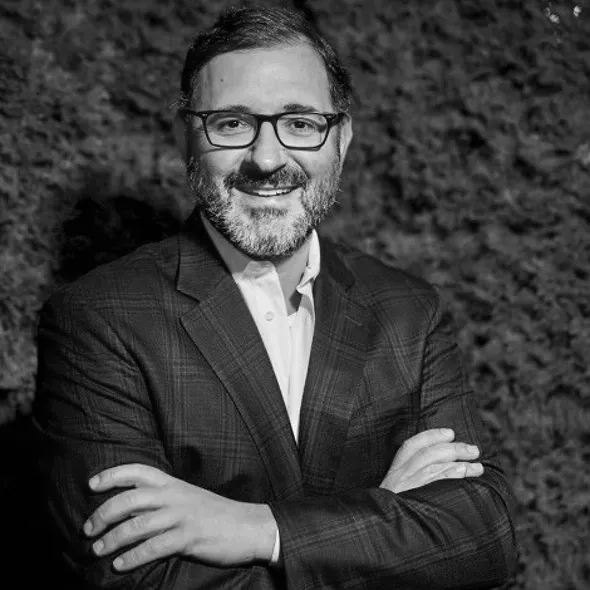
Dr. George Mandelaris
Periodontist · Educator · Interdisciplinary Surgical-Orthodontic Treatment Planning
Dr. George Mandelaris is a board-certified periodontist, educator, author, and internationally recognized clinician in interdisciplinary periodontal, implant, and surgical-orthodontic therapy. He is a Clinical Assistant Professor in the Department of Graduate Periodontics at the University of Illinois College of Dentistry and an Adjunct Clinical Assistant Professor at the University of Michigan Department of Periodontics and Oral Medicine.
Learn with Elevated GP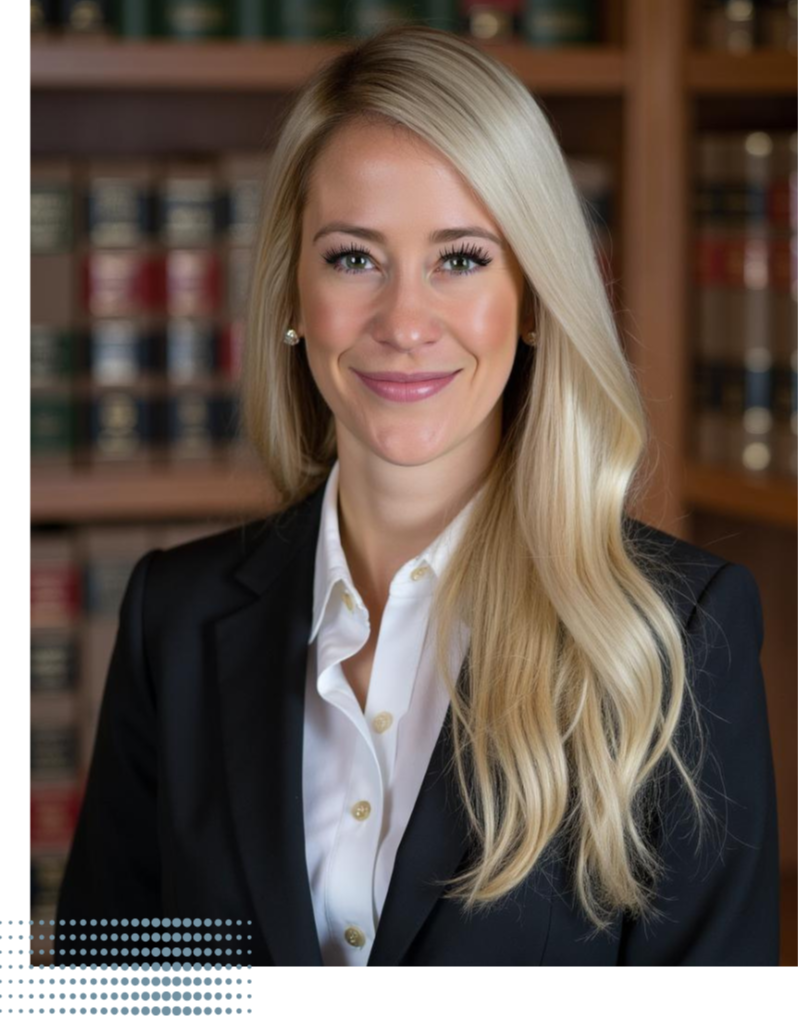
Dr. Melissa Seibert
DMD, MS, FAGD, ABGD
Dr. Melissa Seibert is the creator and host of the Dental Digest Podcast, a clinical dental podcast dedicated to helping dentists stay on the cutting edge of evidence-based dentistry. She is a clinician, educator, speaker, and founder of Elevated GP, a virtual study club and advanced education community for general dentists who want to become exceptional comprehensive clinicians.
Publications & SpeakingLearn the Clinical Systems Behind Comprehensive Dentistry
Dental Digest introduces you to the ideas shaping modern dentistry. Elevated GP helps you turn those ideas into clinical judgment through live CE, case-based mentorship, on-demand education, and a community of dentists committed to evidence-based excellence.
Explore Elevated GPStudies & Resources
- Alikhani, M., Alansari, S., Sangsuwon, C., Alikhani, M., Chou, M. Y., Alyami, B., Nervina, J. M., Teixeira, C. C., & Khoo, E. The Effectiveness of Periodontally Accelerated Osteogenic Orthodontics in Accelerating Tooth Movement and Supporting Alveolar Bone Thickness During Orthodontic Treatment: A Systematic Review. PubMed PMID: 35582021
- Hoogeveen, E. J., Jansma, J., & Ren, Y. Surgically facilitated orthodontic treatment: a systematic review. American Journal of Orthodontics and Dentofacial Orthopedics. NCBI Bookshelf Summary
- Gil, A. P., Haas, O. L., Méndez-Manjón, I., Masiá-Gridilla, J., Valls-Ontañón, A., de Oliveira, R. B., & Hernández-Alfaro, F. Alveolar corticotomies for accelerated orthodontics: A systematic review. Journal of Cranio-Maxillofacial Surgery. PubMed PMID: 29395994
- The efficacy and safety of corticotomy and periodontally accelerated osteogenic orthodontic interventions in tooth movement: an updated meta-analysis. PubMed PMID: 38368383
- The Significance of Utilizing A Corticotomy on Periodontal and Orthodontic Outcomes: A Systematic Review and Meta-Analysis. PubMed PMID: 34440034
- Wennström, J. L., Lindhe, J., Sinclair, F., & Thilander, B. Some periodontal tissue reactions to orthodontic tooth movement in monkeys. Journal of Clinical Periodontology. PubMed Search
- Depth of alveolar bone dehiscences in relation to gingival recessions. Journal of Clinical Periodontology. PubMed PMID: 6593330
- Mini-implant assisted rapid palatal expansion effects on nasal airway and breathing: systematic review. PubMed Search
- Maxillomandibular advancement for obstructive sleep apnea: systematic review and meta-analysis. PubMed Search
Full Episode Transcript
Dr. Melissa Seibert: If you've been listening to this podcast for a while, you've probably noticed that I very rarely include ads and that's intentional. I never want to interrupt your listening experience with a bunch of promotions. But more importantly, I don't want to recommend anything I don't personally believe in or use myself just to make a few bucks.
That said, there is something I do want to share with you because I created it. It's Elevated GP. This is my own educational platform and the mission behind it is simple, to empower super general dentists.
Dentists like you who want to stay sharp, practice at a high level, and stay grounded in evidence-based care. Inside Elevated GP, we dive into topics like modern caries management, composite techniques, material science, implant workflows, and more. We meet live once a month for a collaborative session and you'll get access to our growing course library, all the session recordings, and a vibrant group chat filled with like-minded dentists.
So if you're looking for an easy way to stay on the cutting edge and grow as a clinician, check out theelevatedgp.com. Again, that's theelevatedgp.com. I've also included a link to it in the show notes. It's something I'm deeply proud of and I'd love for you to be a part of it.
Hey everyone, before we dive into today's episode, I want to take a quick moment to talk to you about NET32, the ultimate online platform for dental professionals.
If you're a dentist, dental hygienist, or just someone working in the dental field, you're going to want to hear this. If you're tired of paying premium prices for dental supplies or dealing with the headache of ordering from multiple vendors, NET32 has your back. It's the largest online marketplace where dental professionals can compare prices on thousands of products from top brands and suppliers all in one place.
The best part? You don't have to be a giant practice to benefit. Whether you're just starting out or running a well-established clinic, NET32 offers competitive pricing and a wide selection of supplies from equipment consumables. Plus, their easy to use platform lets you track orders, find discounts, and get everything you need delivered right to your door.
And if you're worried about quality, don't be. NET32 only partners with trusted suppliers so you can rest assured you're getting top-notch products at the best prices. So if you're ready to save time, save money, and simplify your processing process, head over to NET32.com. That's NET32.com where dental professionals find everything they need in one place.
All right, let's go back to the show.
Hey, welcome to Dental Digest. This is a podcast with a mission of enabling you to stay on the cutting edge of evidence-based dentistry.
I'm your host, Dr. Melissa Seibert. In part two of my conversation with Dr. George Mandelaris, we continue our deep dive into surgically-facilitated orthodontics, exploring real-world workflows, biologic considerations, and how to effectively collaborate with your ortho and restorative teams.
If you've ever questioned when SFOT is truly indicated, how to identify the right cases, and how to get interdisciplinary alignment, this episode is for you.
Dr. Mandelaris is a board-certified periodontist, textbook author, and faculty member at both the University of Illinois at Chicago and the University of Michigan. His clinical expertise combined with his academic leadership make him one of the most respected voices in surgical orthodontics.
His clinical expertise combined with his academic leadership make him one of the most respected voices in surgical orthodontic collaboration today.
But by the way, if you're enjoying this content, would you mind taking just a moment to leave a rating and subscribe on the Apple Podcast app, Spotify, or wherever you listen? That small act helps Dental Digest continue to bring you evidence-based conversations with the leaders who are advancing our profession. Thank you so much for listening. It's an honor to have you as a listener.
Okay, let's jump in.
Dr. Melissa Seibert: A lot of dentists these days are getting into clear aligner type therapy, the most popular, of course, being Invisalign. And really the way that this is positioned to dentists is that this is quite easy, relatively straightforward.
But with these sort of in-depth considerations, do you think that all dentists that are offering some form of orthodontics should become very comfortable at recognizing a compromised phenotype, something that there could be some compromises to treatment?
Dr. George Mandelaris: Well, yes. Yes. I mean, I think that, you know, the craniofacial anatomy is very complicated. And to make it so simple just to sell something is really a disservice to the profession, our patients, and ourselves.
Because, it's not that a treatment might not be relatively straightforward. And for any clinician, a general dentist, an orthodontist, etc. But diagnosis is the most important thing.
And I think today, if the profession is going to more and more people that are not orthodontists are going to get into orthodontics, it's incumbent to understand airway. It's incumbent to ask questions. Because these are key issues that we can identify and we can help manage.
It's important to look at a patient comprehensively. And that's not just taking a scan that looks, just look at the teeth, but also like what's going on with the joint and what's going on most importantly with the nose, right?
Because the nasal maxillary complex develops with the maxilla. And so many times you have an underdeveloped maxilla, which means you have an underdeveloped nasal maxillary complex. And you have a patient who can't breathe very well through their nose. And they think that this is just normal, right?
And so we have such an opportunity to kind of change the trajectory of people's lives. If we just step back and really kind of think through these cases.
And as a part of that, you need to be able to ask the question, well, what am I solving? Am I just solving like crooked teeth or am I solving a more complex situation where we're trying to improve the airway health of the patient?
If there aren't any airway issues, because the intake forms, which are relatively subjective, but they're basically all nose and you haven't gone into an HRPO and that's shown kind of nothing. Okay. Then we address the dental issues, right? So that's kind of out of the picture.
So now we do have to respect the and because imaging is so available today, we do need to pay attention to what these setups are doing to the dental alveolar complex to the bone around the teeth.
You can't buy a specific type of arch wire and expand somebody out and think that doing it really slow. And with this particular type of wire or this particular type of plastic is going to grow the bone, especially if you push on certain parts of the anatomy, where nerves are regenerating, like all of a sudden you're going to get this bone.
I mean, I have, I have to say, I've been involved in so many cases. I find it crazy and I get so upset with, it's so difficult to get into dental school today. It is such, so demanding to get into dental school. You know, it's, it's a very, it's an intelligent person that has to go, that kids can get into dental school.
It's not a dummy, you know, it is very hard to get through dental school, right? I mean, it's very hard, right? It's probably harder than medical school. I mean, we do so much stuff. I mean, it is very hard.
So you have this very intelligent person that puts themselves through all this work and effort. And then they go to a weekend course and to think like you have somebody who just has a boisterous, you know, personality or kind of a, you know, an alpha male type of, like they just can say things with, with the science being so pathetic, you know, and all of a sudden, like, you know, we just buy into these things.
I mean, this is crazy. So I think people need to be better at like dissecting the science and the studies. And are they going to do something if there isn't, you know, if there isn't somebody that can present something that makes sense and is biologically driven, you know, my partner always used to say, like, you know, having a periodontal conscious and a biologic compass.
So to kind of make sure, like, okay, maybe we don't have meta and systematic reviews on these things. And we don't have meta analyses because it's kind of early, but do we have some science that can, you can kind of relate that, you know, that does make sense.
And that, and that, that I think is really important, but yes, I think, I think dentists have an obligation. If they're going to take on this responsibility, then they have an obligation to themselves to make sure that they're trained, that they're, they're, they're contemporary, that they're asking all the right questions and they're using the right data to plan the cases.
And they're not just like taking a digital impression and sending it to, you know, Costa Rica and saying, okay, you know, let's, let's go ahead and, you know, do the aligners. I mean, cause I, you know, I think as a, as a dentist, as a doctor, I mean, you have a responsibility to your patient to really be the, be the leader of the ship and really treatment plan that case comprehensively.
Dr. Melissa Seibert: I know we're moving away a little bit from SFOT, but this is a really important discussion because I think there's a lot of misconceptions there around ortho because there's really kind of a whole clear liner industrial complex out there. It's not just one company and they, I totally get it.
They want to make it so more people being able to provide ortho is more free or more accessible than it's ever has been before. But I really appreciate what you said that there's no conceivable way that really in order to do this properly and to make it sustainable, that you can just learn this from a weekend course. It's complicated.
Dr. George Mandelaris: I will say the aligners have opened up an incredible opportunity for our profession to drop, to, to, to provide the care of that, you know, the care to patients that they actually need because maybe, you know, you have a, somebody who's over 10 years old and doesn't want braces on their teeth. Right. So, I mean, the fact that we even have this in the profession is, is transformative. It's phenomenal.
But it doesn't negate the responsibility of doing the due diligence in diagnosing the patient properly and then respecting the biology in terms of what our, what our plan is. Right. And, and, and also recognizing we can do more than just like align teeth. We can, we can improve airways. We can improve phenotypes. We can do a lot.
Dr. Melissa Seibert: Hey, I want to welcome you to Elevated GP. This is a brand new platform that includes modern evidence-based on-demand courses for GPs and access to Journal Club. Journal Club is a once-monthly virtual study club where we're going to talk about hot topics in dentistry. To get registered, go to theelevatedgp.com to join. I hope to see you there.
Please explain a little bit about how comprehensive ortho can help improve the airway. And can you also talk a little bit about the limitations?
So what I would say is I'm going through MARPE and SFOT. That's created so much interest in the profession. And a lot of people have asked, has your sleep apnea been cured? And I say, no, and it's not going to be cured through this approach. We're treating a transverse problem and went into this to improve nasal breathing. MMA is what's going to improve the anterior posterior problem, which is why I'm obstructing.
Dr. George Mandelaris: Yeah, to be quite honest with you, I'm not sure SFOT is going to, you know, do anything from an airway standpoint. This is a complex advanced periodontal surgery procedure that is done to improve the bone morphotype around the teeth and the periodontal phenotype. It expands boundary conditions for the orthodontist, but I'm not sure it's going to really fix somebody's sleep apnea.
I think that's where the MARPE is going to come into play, particularly somebody with upper airway resistance syndrome to improve nasal flow, nasal resistance issues, things you just mentioned. That is transformative for the orthodontist. I think that is just good. I mean, that's just incredible for that profession.
Yeah, but MMA is basically the gold standard for that. If you have, if you have, I'm going to underscore that, if you have a collapsible airway, because you may have a very small airway on the scan, maybe you don't have a collapsible one, right? Just because the pipe is small doesn't mean it collapses, right?
You could have altered neural function, you could have, you know, loop gain problems. There are other issues, right, that could occur. So I think that's important to be diagnosed medically.
I think the DICE procedures are very important to probably be done for orthodontics, to know how far to bring somebody forward if they have a collapsible airway, to know how far they have to go before they do, you know, so they don't collapse.
That's important. So I think SFOT is a very complementary procedure, because think about all the orthodontic cases that you have seen in your past, and how many of them have a very robust and a beautifully intact periodontia? Very few.
I would say, I mean, I would think most of them are thinned significantly. Most of, many of them, some of them, can also have significant root resorption problems, right, because they're up against cortical plates, so, you know, there's root resorption issues.
A lot of people, you know, that have a malocclusion and have missing teeth that I oftentimes see have some recession, have, you know, bone regenerative needs for future implants.
I can't tell you how many cases I see of immediate implants, you know, with people being more consumed on like taking the tooth out and putting the implant in and putting immediate provisional on, but then there's a transverse problem in the patient.
Then, you know, we haven't stepped back to say, well, you know, is there bigger fundamental problems going on where if we took a big picture approach to this, we may be able to put the patient in a much more sustainable position long term than just doing rather myopic treatment, which is kind of single tooth things.
So, I think that's the biggest thing that I really enjoy is, you know, is the diagnosis and the planning of the patient and then presenting that to somebody with the opportunity for them to say, no, I just want to address the one thing. Totally fine.
But we've at least gone through all, you know, put all the options on the table and made sure that the patient tried to uncover everything for their overall health. But again, back to your question, I don't think SFOT is going to fix the airway issues, but for the things that need to be done to fix the airway issues, this can greatly complement the, you know, the oral health for these patients.
Dr. Melissa Seibert: What do you think about what it might do for oral tongue volume? Do you think that's significant? Does it matter?
Dr. George Mandelaris: Yeah, I think that would definitely going to improve because many times when we do that, we're removing the palatal toruses, palatal exostoses, we're removing lingual tori. We are definitely creating more oral cavity volume for sure.
That's something most I really think needs to be measured. Like some, so you got to measure that in somebody and you probably need to also, you know, this is something that I was never taught. You need to kind of bring on, you know, ancillary folks and like myofunctional therapists, you know, these speech and language, I mean, other people that we've got very little exposure to in dental school.
We need to look at tongue ties and all this type of things to really make sure that we're looking at, you know, addressing all the right things. Because if you have a, you know, an expanded oral cavity volume, but your tongue tied and then you don't know what, you know, where to posture your tongue properly, you know, you're not really becoming as optimized as you could be.
And if the doctor doesn't recognize that and doesn't know, you know, who he needs to recruit or she needs to recruit on the team to help the patient, then, you know, that's a liability as well.
Dr. Melissa Seibert: I've heard so much about the virtues of a myofunctional therapist and what a good myofunctional therapist, the service that they can provide.
I'm going to ask something though, rather ignorant. How complicated is it really though to figure out the right way to position your tongue?
Dr. George Mandelaris: I wouldn't think it's very hard at all, but you do have to build strength and, you know, it's always good to have a coach, right? And having the right person on the team to, you know, reinforce things and to motivate people is certainly very valuable, I think.
But yeah, I mean, I wouldn't think that it's terribly difficult to know, you know, where your tongue kind of should be, you know, how to posture your tongue properly. But, you know, you may identify patients that have just like oral muscle dysfunction too.
And the myofunctional therapist is somebody that can really help, you know, with those conditions.
Dr. Melissa Seibert: Would you also explain, we've talked a lot about potential phenotype compromise, would you kind of explain the pathophysiology behind recession? What is it about over tipping or over torquing a tooth and slightly positioning part of it outside of the alveolar housing that ultimately then leads to recession?
Dr. George Mandelaris: If you are moving a tooth beyond the orthodontic boundary conditions, or you're overly tipping a tooth, if you're overly camouflaging or overly torquing, tipping a tooth, the actual loading of the tooth now is not down the long axis of the tooth. It's off on the tangents, right?
So certainly that may, that could lead to occlusal trauma, that could lead to hypermobility of the tooth, but essentially the stresses and the forces are really not going down the long axis of the tooth.
And then, and then as the tooth is functioning, the mechanotransduction of the teeth and the force distribution within, to the ligament and then to within the bone really is not equally distributed.
And so that loading now can basically cause bone resorption on areas where it is excessive, perhaps, right? If you lose bone in front of the tooth, this is a non-infectious based process, but let's say you, the soft tissue, the bone becomes so thin, it becomes dehisced and there's inflammation. There's a very limited protective barrier.
So now there is gingival recession. So you have bone loss and then you have corresponding soft tissue recession.
Before that ever happened, you know, you have like bundle bone that surrounds the teeth, which is essentially embryologic bone where the ligament of the PDL basically traverses into.
So when we take a tooth out, we think we graft, you know, we graft sockets and we think we saved the bone, but we really don't, which there's still, clearly there's resorption. There's no question that you're going to lose something for sure. And you're going to lose bundle bone.
You're going to lose that embryologically dependent, that embryologically derived bone that is dependent on the tooth because that's where the ligament fibers, you know, and so when you have the tooth, the ligaments gone, you know, you're going to have some, you're going to have some loss of the bundle bone, no matter what graft material you're putting in there.
But before the tooth, you know, kind of exceeded the boundary conditions, you have periosteum in front of the tooth and the periosteum has two layers to it. The cambium layer is where the blood vessels are.
So you, you know, there have been clear like studies that have shown orthodontically, you know, dehiscence is created orthodontically that if you move the tooth outside the bone envelope that you lose bone, you lose some of the periodontal ligament fibers.
Instead of kind of going parallel, they become more, instead of being perpendicular, they're parallel to the root surfaces. And so that becomes a high level of vulnerability.
But if the tooth gets moved back within the bone alveolus that because there's this, this cambium layer to the periosteum that bone will actually reform. So you can regenerate the bone by moving the tooth back in.
Well, most of us that are expanding the patients, our patients today are expanding them outside the bone envelope where they're pushing oftentimes the teeth beyond, you know, the limits.
And that is creating a bone loss on the facial. The bone is resorbing. The ligament is now, it can't be perpendicular. The fibers are now parallel to the root surface.
And certainly with any inflammatory episode that there's really no barrier that's protective now. And so with that inflammation, you have to have inflammation. You're going to basically kind of have some, you know, some recession down the gingiva is going to receive because the bone is not there to maintain it.
And so if the tooth is also off access, you're also not loading it properly. And so as the force gets distributed throughout the ligament, you know, there's very little bone to be able to, you know, to respond favorably.
Think of all the patients that you see with a lot of like exostoses, you know, a patient in front of grime and so forth. You know, a lot of that is just hype. There's just a lot of stress that's going right at that crestal bone.
And you have, you know, because of all the force, you know, oftentimes like the sclerostin molecule is being turned off and you basically don't have this osteoclastic osteoblastic kind of phase. You kind of have more that's like the osteoclast get turned off a little bit and you have this osteoblastic phase. It's kind of more highly weighted and you basically getting more bone formation at these areas where there's higher force.
So there is, there's a, it's a really, you know, it's a really interesting, like, I'm not a PhD bone biologist, but I really like bone biology. And there's a, you know, when you, when you kind of get into the nitty gritty of all this stuff, there's a very, you know, there's a very fascinating kind of consortium of like forces and bone and you know, how the bone was responding to forces and stress and strain and all that.
And that's actually shows up in our x-rays. It shows up in the periodontal ligament. It shows up with, you know, the crestal lamina dura. It shows up in the ligament, widened ligament, you know, narrowed ligament, bone loss and defecation, but there's no probing, you know, so it's, it's a, it's a pretty interesting, you know, sequela of, of things that happen, you know, in response to force distribution.
Dr. Melissa Seibert: What do you think of the concept of the widened PDL?
Dr. George Mandelaris: Well, it's a, the widened PDL in the presence without like, without like there's no attachment, if there's no attachment loss, if there's no probing. So it's a, it's an adaptive response.
So the tooth is overloaded and basically it's an adaptive response by the body to withstand the jiggling forces, so to speak, or the, you know, the increased forces on the tooth.
So if you see a widened periodontal ligament around the tooth, you need to start to look at the occlusion and see like, why is this, why it usually occurs with mobility, right? They usually kind of go hand in hand.
And it's usually because the tooth is in some sort of occlusal trauma, either there's an interference there or the tooth is hyper occlusion or something like that, but there's not a balanced, you know, there's not a balanced occlusal scheme because that, that tooth is subjected to increased forces in, you know, with, this is like, not, not with a reduced periodontium.
I'm not talking about that. I'm talking about like, because you have, you could have physiologic mobility of a tooth that has a reduced periodontium, it's just healthy. It's just, it's going to have more mobility because it's a reduced periodontium.
But if you have a relatively normal periodontium, doesn't probe, there's no disease, but you have a loose tooth and you have wide ligament, it's pathognomonic for, you know, or some sort of interference or some sort of occlusal problem.
Dr. Melissa Seibert: This has been absolutely exceptional. And I have a whole list of questions we didn't even have time to get to. So of course we're going to have to do this in a part two.
I hate to do this, but do you have any closing thoughts?
Dr. George Mandelaris: No, I think my closing thoughts are, I would impress upon everybody that, you know, if our profession is going to be recognized as, you know, one of the leading healthcare professions, as we have, you know, been very fortunate to stand on shoulders, I mean, that's kind of what the public thinks of us.
If we're going to continue to elevate our game, continue to elevate who we are, continue to improve the lives of people. It really is incumbent upon us to, you know, work within great teams that you can kind of learn from each other, that you can get great results.
It's important to, you know, go beyond what we knew in dental school, remain curious on things, you know, expand your intake forms to start looking at some of these things that we as dentists have a right and a, you know, responsibility to be analyzing and helping identify for the betterment of our patients, like these airway things we've talked about today.
And, you know, I think I would just, you know, I would just tell you that, you know, if you only look like John Kennedy would say, if you only look to the past or the present, you're going to miss the future. And it's an future that we have.
So, yeah, I just, I'm excited about the future. I'm excited about what we do. I love the profession. I love what we do. And, and it's just, you know, it's just, it's, it's very exciting.
So for me, interdisciplinary and team is all is really what it's all about. And that's, what's allowed me to learn more, stay curious and, and be successful because if I didn't have people to rely on where I had, when I had problems and I had complications and failures and, you know, and to grow from, you know, I wouldn't, I wouldn't be able to do the things that we do today.
So that's, that's my only advice, keep an open mind, stay positive and, you know, and stay balanced as well. So, and I think it's important for the things like you're doing, you know, the getting this out, getting the word out to people of what we can do as a profession, who we are, just it's, it's important.
These podcasts are important and, and, and, you know, by you having such a, you know, having such an audience and having such a leadership skills, it's really, it's really great to see what you're doing. And I'm, I'm thankful that you even, you know, had, had me on.
So I, obviously it's before surgery, so maybe you won't have me on after surgery. I don't know. We'll see.