Overhauling the Hygiene Department for Real Practice Growth
The Airflow Prophylaxis Master, the eight-step GBT protocol, how Dr. Maragliano 5X'd her hygiene revenue in five years, and the SDF patient framing that actually works.
Why the Old "Scrape and Polish" Hygiene Setup is Burning Your Profit
The traditional dental cleaning protocol is broken. For decades, offices have relied on the standard scraping routine, treating preventive hygiene as a basic loss-leader to keep chairs filled. But trying to clean microscopic bacterial biofilm with heavy metal hand scalers is outdated, slow, and frustrating for both your team and your patients.
True practice growth requires modernizing this workflow. Instead of scraping away blindly, an advanced protocol like Guided Biofilm Therapy (GBT) uses a harmless disclosing gel to dye invisible bacteria bright blue. Once it's completely visible, the hygienist uses a specialized air-polishing machine with soft erythritol powder to gently spray the biofilm away. It takes minutes, it's painless, and it completely eliminates the old-school manual scraping routine.
The math behind this clinical shift is massive. By switching to a modern biofilm protocol, a single hygienist on the exact same schedule brought in $85,000 more revenue in her very first year. In fact, total hygiene department revenue can easily multiply by five times over five years. When you stop fighting outdated tools and start unapologetically targeting oral inflammation, hygiene transitions from a quiet cost center into your biggest practice growth engine.
Smart Scalers, Preventive Varnishes, and Confident Patient Cues
Restructuring your preventive system requires a mix of smart equipment and crisp patient communication. In this episode of the Dental Digest Podcast, Dr. Pam Maragliano-Muniz joins host Dr. Melissa Seibert to look at the exact tools and conversational scripts that drive massive clinical performance.
The Ultrasound Advantage over Hand Scaling
Instead of dull hand scalers, a modern protocol utilizes advanced tools like the Piezon piezoelectric device. Its specialized instrument tips are as thin as a periodontal probe, using built-in pressure-sensing technology. If the tip hits a tough piece of calculus, the machine automatically boosts its power to pop it off instantly. Combined with built-in water warmers for patient comfort, it completely transforms the hygiene experience.
The Quick Revenue Multiplier: Universal Protective Varnishes
One of the fastest ways to increase practice revenue while covering rising team costs is to apply protective varnishes on every single patient at the end of their visit. Whether you use standard fluoride, hydroxyapatite, or chlorhexidine options, adding a standard $35 to $50 application charge instantly changes the hourly profitability of the chair—easily covering the higher cost of a talented hygienist.
Flipped Scripts for Silver Diamine Fluoride (SDF) Compliance
Silver Diamine Fluoride (SDF) is incredibly effective at stopping early decay, but many general dentists face patient pushback over potential tooth staining. The key is avoiding defensive lecturing. Show the patient their X-rays on a large screen and use a direct crossroads script:
“We are at a crossroads. We can do nothing and wait for this early cavity to get big enough to drill and fill later, or we can use this silver medicine to freeze the bacteria right now so I never have to drill it.”
When framed as active risk reduction rather than a cheap alternative, patients happily opt into prevention.
Holding Boundaries with Difficult Patients
Finally, protecting your clinical sanity means knowing when to say no. If a difficult patient tries to argue about your fees or dictate unsafe care, confidently use a clear redirection script to let them go:
“There are plenty of offices that can do that for you, but that is simply not the approach I take here. If you don't feel this style is right for you, there are other clinics that can serve you better.”
Letting toxic patients walk away protects your team culture and frees up valuable chair space for your ideal core audience.
Clinical Takeaways
- Boost Department Revenue: Modern biofilm protocols can increase a single hygienist's output by $85,000 in year one using identical schedules and patient pools.
- Optimize Power Scaling: Replace traditional manual hand scaling with pressure-sensitive piezoelectric scalers to improve office ergonomics and patient comfort.
- Apply Routine Varnishes: Implement a universal varnish protocol at the end of every hygiene visit to easily add a predictable $35 to $50 service to each chair hour.
- Simplify the SDF Pitch: Frame Silver Diamine Fluoride treatments as a proactive way to avoid future drilling rather than a compromised substitute for a filling.
- Maintain Office Boundaries: Protect your team's culture by confidently redirecting difficult or fee-focused patients to other area clinics.
Chapters & Timestamps
| Timestamp | Topic Covered in Episode |
|---|---|
| [00:00] | Engaging Patients in Modern Wellness Metrics and Oral Health Integration |
| [07:00] | The Airflow Prophylaxis Master: Advanced Biofilm Removal Mechanics |
| [15:00] | Breaking Down Erythritol Powders, PerioFlow Handpieces, and Piezon Scalers |
| [24:00] | The Hygiene ROI: How Dr. Maragliano 5X'd Department Revenue in Five Years |
| [33:00] | Implementing Protective Adjunct Varnishes for Every Patient Recast |
| [40:00] | The Silver Diamine Fluoride (SDF) Patient-Framing Script that Wins Compliance |
| [50:00] | Clinical Sanity: Confidently Holding Boundaries and Redirecting Toxic Patients |
| [57:00] | Closing Thoughts: Building a Practice Grounded in Personal and Team Happiness |
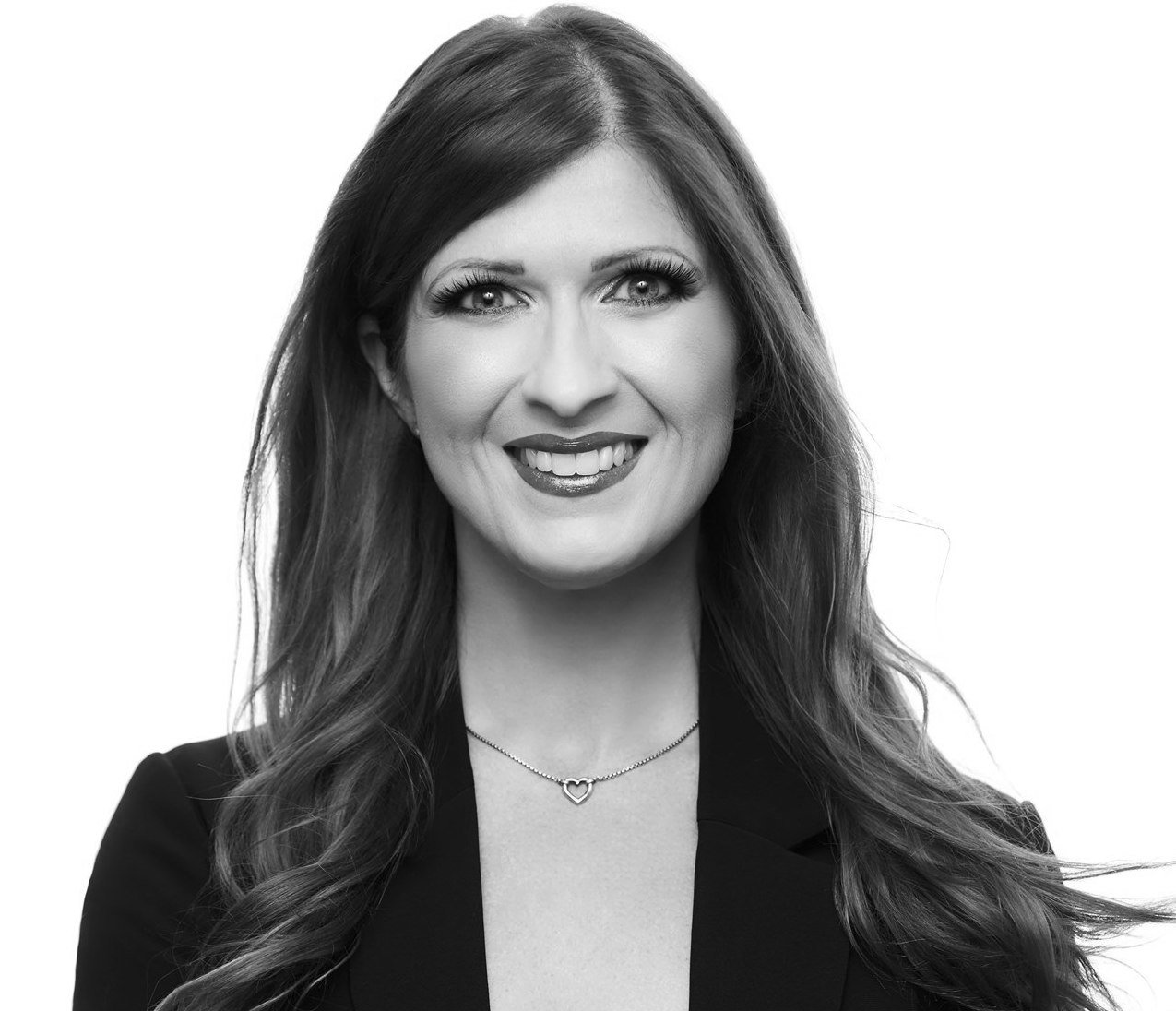
Dr. Pamela Maragliano-Muniz
DMD — Board-Certified Prosthodontist · Chief Editor, Dental Economics
Dr. Pamela Maragliano-Muniz is a board-certified prosthodontist, internationally recognized speaker, and a leading voice in aesthetic and restorative dentistry. She maintains a private practice at Salem Dental Arts in Massachusetts with a focus on comprehensive, minimally invasive, and aesthetic care. She also serves as Chief Editor of Dental Economics and lectures extensively on aesthetic composites and practical workflows. A former dental hygienist, she brings a uniquely integrated perspective to the prevention–restoration continuum.
Dental Economics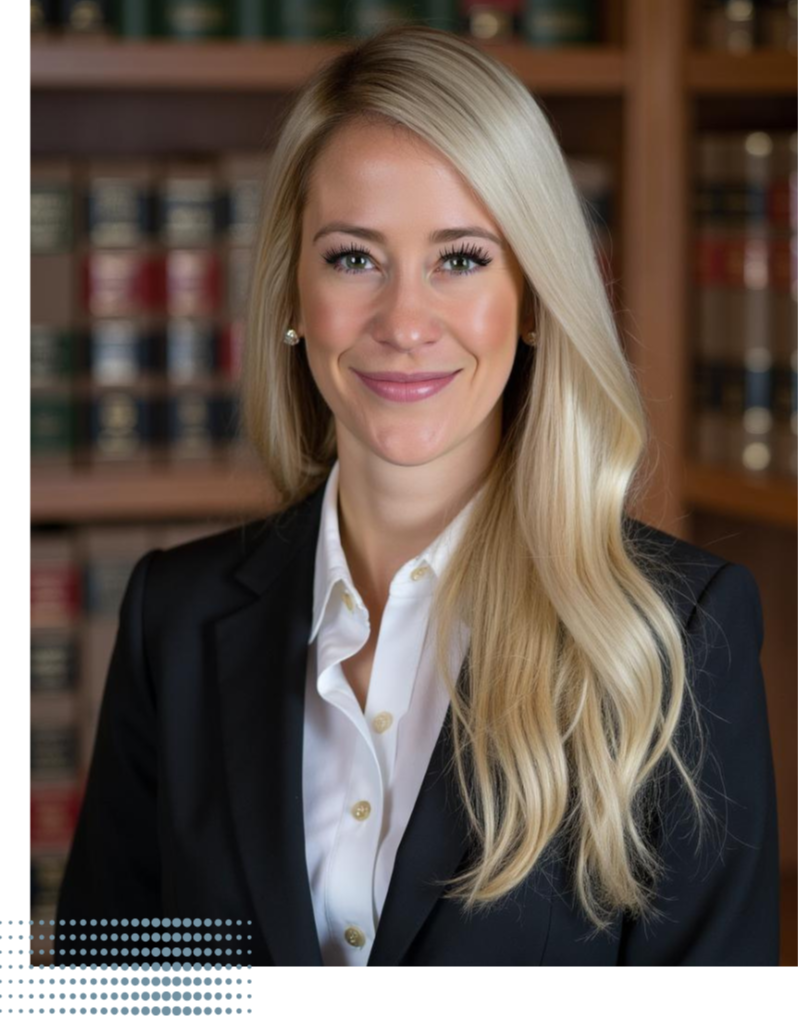
Dr. Melissa Seibert
DMD, MS, FAGD, ABGD
Creator and host of the Dental Digest Podcast — the #1 clinical dental podcast worldwide and a top 1% global podcast. Dr. Seibert is a former active-duty U.S. Air Force dentist, internationally sought-after speaker, Key Opinion Leader, and published author in top dental journals. She is passionate about equipping general dentists with high-level, evidence-based clinical skills.
Publications & SpeakingMaster This Workflow in Your Practice
The Dental Digest Podcast brings you the theory — but Elevated GP gives you the over-the-shoulder execution. Step-by-step video masterclasses, clinical mentorship, and CE credit to implement these techniques seamlessly. Join our global community of dentists.
Explore the Elevated GP MembershipStudies & Resources
- Part 1 of this series — Guided Biofilm Therapy & Evidence-Based Hygiene with Dr. Maragliano
- EMS Dental — Airflow Prophylaxis Master / GBT Machine (Airflow + Piezon + PerioFlow system)
- Elevate Oral Care — Advantage Arrest 38% SDF (Silver Diamine Fluoride)
- Curodont Repair — Self-assembling peptide remineralization (Vvardis/Credentis)
- Overjet — AI-powered radiographic caries and bone-level detection
- Florida Probe — Voice-activated periodontal charting
- GC America — Tri Plaque ID Gel (biofilm disclosing agent)
- Free Guide — The Injection Molding Technique for Predictable Anterior Composites (Dr. Seibert)
Full Episode Transcript
Dr. Seibert: Welcome to Dental Digest. This is a podcast with a mission of enabling you to stay on the cutting edge of evidence-based dentistry. I'm your host, Dr. Melissa Seibert. Dr. Pam Maragliano is back for Part 2. Dr. Maragliano is a board-certified prosthodontist, internationally recognized speaker, and a leading voice in aesthetic and restorative dentistry. She maintains a private practice at Salem Dental Arts in Massachusetts with a focus on comprehensive, minimally invasive, and aesthetic care. She also serves as Chief Editor of Dental Economics and lectures extensively on aesthetic composites and practical workflows.
In this second half of our conversation, we take a deep dive into preventive dentistry and hygiene systems. Dr. Maragliano breaks down her approach to Guided Biofilm Therapy, how she structures hygiene visits, and why she challenges the traditional six-month recall model. We also discuss patient engagement, risk-based care, and how implementing the right systems — from periodontal charting to adjunct therapies — can dramatically improve both patient outcomes and practice performance.
Dr. Seibert: One of the things I want to ask you is, how does your hygiene team engage the patients in such a way that they're on board and motivated? Because when it comes to recommendations, you can really preach at a patient and lose their buy-in.
Dr. Maragliano: Involving them is the best. People have never cared more about wellness and overall well-being than they do right now. The wellness industry is a multi-billion-dollar industry. Think about everybody wearing Apple Watches or Oura Rings or all of these things to understand their own health metrics. Why is oral health any different? So we just need to engage them in it. When we're using voice-activated periodontal charting, they're listening, they're paying attention, and they want to be healthy. If you say, "Okay, I find you've got 20 bleeding points — yes, this will impact your gums, it can impact your breath, your aesthetics, but you're also taking care of your mother with dementia, and there's a link between this and cardiovascular disease or diabetes" — it's about identifying what their value system is and tapping into that. We find most of the time patients are open to the recommendations. They want to hear what we have to say. They see the bleeding points. When they've come and we've gotten them healthy, and then they went on vacation and came back without their water flosser and now there are more bleeding points — it's just a deeper conversation and a higher level of education that's taking place.
Dr. Seibert: Phenomenal. Take me through the biofilm removal process.
Dr. Maragliano: So there's a biofilm removal process, and it's done in one or two steps. They've changed the name of the machine to a GBT Machine versus the Airflow Prophylaxis Master. I have the Airflow Prophylaxis Master where they utilize air polishing to remove biofilm. It has a nice ergonomic handle. The system has a water warmer, so it's comfortable for the patient. There are two types of powders you can use. One is an erythritol-based powder — a natural antimicrobial, low-abrasion powder. There's also a sodium bicarbonate-based powder — higher particle size, more abrasive, but still in the low RDA for both. You're going to use that supragingivally, and it's also FDA-approved for subgingival use to remove biofilm.
If the patient has a periodontal pocket of, say, four to nine millimeters, they might utilize what's called PerioFlow, which is a subgingival air polisher — just swapping out the handpiece. After biofilm removal, they'll go back in and use the Piezon, which is a piezoelectric device, to remove calculus. The tips are so thin — they're like the thinness of a periodontal probe, or if you're a BioClear person, like the Clark Explorer. Super thin. You can basically go around and explore around the tissue, and when you bump into a piece of calculus, the foot pedal is cordless, step on it and pop it off. What's interesting about this technology is it also has a water warmer, so it's super comfortable for patients. But if you put more lateral pressure on the actual tip, it will pump up the power to knock off any tenacious calculus — which is pretty cool. Very ergonomic, very efficient for hygienists.
Then the next step is they come and get me for an exam. I basically just agree to what my hygienist is recommending from a therapeutic standpoint for periodontal disease. They've taken intraoral photos, they've taken a scan, they've done whatever they need to do — so that when it's time for me to make a restorative recommendation, they're already engaged in the restorative part of their plan. Everything else has been done. I make my restorative recommendations, walk out of the room, and they'll apply varnish — whether it's fluoride, hydroxyapatite, chlorhexidine, probiotic, whatever — and then the patient leaves.
Dr. Seibert: And you said this is the Piezon handpiece. So it's part of the whole system?
Dr. Maragliano: Yes — you can get the GBT Machine or the Airflow Prophylaxis Master, which is what I have. It has both the Airflow on one side and the Piezon on the other. It's one device. You can have it installed in an operatory, or you can get one that you plug in and move around to different ops. I have both.
Dr. Seibert: Very interested in this. Is it pretty pricey? I mean, it sounds like you've talked about how this has dramatically increased profitability for your practice.
Dr. Maragliano: It's pricey. There are other air polishing systems out there. Is this one of the pricier ones? Yes. But I want the best and the most reliable, a workhorse of a machine. I don't want to buy something and say, "if it breaks, I don't care because I can buy three for the cost of this one." Honestly, I feel really good about this technology. And I can tell you from a numbers standpoint — it depends on where you start.
I didn't have a great Perio program in my practice until I let go of my hygienist, hired a new hygienist who cares about Perio and was willing to really adopt this technology. Even though it was a different hygienist on the same exact schedule and same pool of patients — she brought in $85,000 more that year by herself. So for me, the technology paid for itself very quickly. I was able to 5X my hygiene revenue over five years. Every single year, we had 100% growth on the hygiene revenues. After five years, we've 5X'd. This year, we're not 6X-ing because I'm limited by space, and a couple of my hygienists have changed their schedule, so I don't have the same availability as before. But what is increasing is hygiene production per hour. So even if you don't have more space and you're not going to see that crazy trajectory of growth, because we're offering more services and we're unapologetically fighting inflammation, we're still seeing an improvement in per-hour production.
Dr. Seibert: When you talk about adding other services, what are the other services?
Dr. Maragliano: For starters, if you want a quick way to enhance production while paying for a hygienist whose costs are increasing — start implementing varnishes. Varnishes on everybody at the end of their hygiene visit. It's pretty standard to apply varnish and charge somewhere between $35 and $50 per application. So right there, if you're hiring a dynamo hygienist and your hourly pay has gone up by 10 bucks, we need that person applying varnish on every patient.
Another thing you can do is implement silver diamine fluoride. So if we have a "watch area," we don't really watch it anymore and do nothing. We're going to intervene with silver diamine fluoride or Curodont Repair or something to promote remineralization in those areas — or at least stabilization of that lesion — so we don't have to restore it later. We also do fluoride, SDF, Curodont, hydroxyapatite, chlorhexidine varnish, probiotic varnish. We've got all the varnishes. Pretty much whatever type of patient we have, we can accommodate their wishes and needs.
Dr. Seibert: How do you charge for that? The code is typically fluoride varnish. How do you charge for a chlorhexidine or probiotic varnish?
Dr. Maragliano: It's all charged under fluoride varnish, basically — like a varnish. If you do hydroxyapatite instead of fluoride, you can utilize that same code. You're not hurting anybody by doing that.
Dr. Seibert: Let me ask you this — SDF. I'm a big fan of SDF. I'll apply SDF on my own teeth about biannually, and I'm never careful when I apply it on myself, so it'll stain my nail beds, my face — transient, about 36 hours. One of the people from Elevate Oral Care messaged me and said you can just wipe it off with hydrogen peroxide. How do you and your hygiene team talk to patients about SDF? Because in the private sector, I find patients have a lot of opposition. When I'll see an incipient lesion and talk about SDF to arrest it rather than restore, some patients feel like they're being shortchanged — almost as if we're being negligent. There are a lot of concerns. Sometimes with SDF I almost feel like it's losing money because of how much time you spend addressing patient opposition.
Dr. Maragliano: We talk about it once. It's something we apply every time we see them. If we're trying to arrest a lesion — and they've got a TV right in front of them — I'll look at the x-rays and say, "Okay, you see this? This is the beginning of a cavity. We have Overjet AI as well, so you can use that technology too." We say, "Here we are. We're getting to a crossroads. We can do nothing and wait for this to get big enough so that I can fill it. Or we can fight that process. And if this stays just like this, or in some cases gets better, I will never have to fill it. That would be my ideal goal for you."
Depending on what we're using — if it's SDF — I'll tell them, "We're going to use a silver-based fluoride. It has strong antimicrobial properties, but it does have fluoride as well. It utilizes silver ions to help remineralize the area and kill bacteria in the area." It works nicely as an adjunct with the traditional fluoride varnish we apply to your teeth. We charge $10 per site. If I have kissing lesions — MODO — we're going to charge just once, obviously. Sometimes it's covered by insurance, sometimes it's not. And the patients don't care. They'd rather do that.
When you talk about adverse issues with color and staining — obviously, I'm not going to apply it to the facial of number eight. That's not what I would do unless it was a kid and the parents were down for it. But most of the time we're talking root surfaces on an older person, crown margins on an older person, or interproximal lesions identified radiographically. That is not going to adversely affect anybody's aesthetics ever.
Dr. Seibert: One thing I still don't have all the answers to is how to talk to patients about SDF. Because I've also been bitten a bit — some patients with rampant caries, where it's really my conviction... first of all, SDF does not replace missing tooth structure. The tooth might still be structurally compromised. Especially as we're getting close to the pulp, it's known that it's going to lead to pulpal necrosis. So one of the things that has bitten me — with patients that are cost-conscientious with rampant caries, they'll say, "Well, can't you just put SDF on everything?" I think for me, how the office talks about SDF is important. And frankly, I don't have that answer yet. Some patients will think it's a magic wand — and it's definitely not.
Dr. Maragliano: There are obviously things we can apply in our practice, and things they need to do at home. Number one: risk management. Identifying what's contributing to the disease process and making recommendations to minimize it. If they're drinking Mountain Dew or sucking lemons or whatever's killing their tooth structure — we have to get them to modify their behavior. I also like high-concentration fluoride toothpaste at home. So there's an at-home component to what has to happen.
I will tell them, "It's not 100%. This is our best way to stop the disease process and arrest it. If it does get larger, it's still creating a better environment for a restoration later. So if it doesn't work on this specific tooth, hopefully it's preventing lesions from developing elsewhere — but hopefully it's slowing the progression so we can catch it early and still provide you with a minimally invasive restoration." I never promise they'll never get a cavity or that it won't get big enough to restore — but we're doing our best to mitigate that process.
Dr. Seibert: As you know, I was medically retired from the Air Force six months ago. I'm navigating the private sector, and I've also become way more comfortable with boundaries with patients. I have found it's actually really easy. If you're getting cajoled and backed into a corner to do something that makes you uncomfortable, it's a lot easier than one would think to just say no. When you confidently commit to that — I know this sounds silly, but this goes out to the ladies out there. It's over half the profession. I find that it's the ladies oftentimes — not always — who get a lot more stories of feeling pressured, feeling like they were wrong for not giving patients what they want. When you commit with confidence, your boundaries are more often than not respected. I'll also say the way that I interface with patients is different. I want to say there's kind of a persona I've adopted — pretty funny in patient care — but I speak a bit of an octave higher, I'm a bit more expressive with my body language. Something about that communicates confidence. I don't get rolled around the way I once did.
Dr. Maragliano: I think that's whatever it's going to take. Patients can get subpar dentistry anywhere. If they're coming in trying to dictate care that doesn't jive with what you can do, just let them go. It will be the best thing you could ever do. One of the most frustrating things about dentistry is that somehow patients think we are personally responsible for the outcomes in their mouths. If a cardiologist needs to do an additional procedure or something didn't work, patients aren't so quick to say, "I paid for that, now they should pay for my crown." It's crazy that we have this — they're expecting us to feel personally responsible for the care we provide.
Knowing that, do things that you feel good about. Obviously, not everything's going to be perfect every single time. But goodness — if it's not something you think you can or should do, don't do it. I would just say, "That procedure is not good in my hands. You're probably better off going to somebody great." Pick somebody from down the street that you don't like and send them there. Seriously, that's what I would do. "There's lots of people that can do this for you. This is not the approach I take. This is how I feel most comfortable treating my patients. If you don't feel this is right for you, then by all means, there are lots of people who could probably do that better than me. Bye."
Dr. Seibert: I'll be honest with you — there's a large DSO that will remain nameless. I'm really not trying to be a brat, but I'll have patients that want to get really ticky-tacky about fees. "Such-and-such is willing to do it for this." This DSO is prominent in my town, so I'll say, "You know, I know a great dental office for you." It works. I'm not for everybody. And I say it all the time — patients are like ex-boyfriends. They always come back.
Dr. Maragliano: Let them go because they'll be back. And then you decide whether you want them back or not.
Dr. Seibert: Right. Were there any other components in Guided Biofilm Therapy? We talked about the educational aspect, we talked about the scaling. Is that really the extent of it?
Dr. Maragliano: There are eight steps to it. The first three are education. The second three are the therapeutic part — Airflow, PerioFlow, Piezon. The last two are a final check and recall. So it's a hygiene visit — but it's an efficient one, an ergonomic one, an educational one, and a profitable one. As far as I'm concerned, that's the only way we practice in my practice. It's done a lot of things for profitability, patient engagement, patient health, hygienist motivation, and hygiene retention. For me and my practice, it's been incredibly special. There's no going back ever.
Dr. Seibert: This has been such a pleasure. I had a ton of questions to ask you — we only got through really two of them. You are so fun to talk to, my friend. I'm looking forward to the next dental meeting where we get to share a hotel together. Any closing remarks?
Dr. Maragliano: Thank you for having me. I love you and I would love to come back if you want to go through more questions. I'd say — love what you do. There's so much pressure on dentists and on dentistry that if it gets the better of us, it makes us not enjoy the career we got into. Life can be really long if you're not loving what you do every single day. So if you don't, find out what makes you tick and find out what makes you excited. I love dentistry and I just wish everybody could love it the way I love it. Not everybody feels that way — some people are trying to get out of it because of different challenges in practice, and it doesn't have to be that way. Whether it's education, changing roles, leaving — whatever it is, the pursuit of happiness is good. Doing that would be beneficial to yourself, your team, your family, and the people around you. I just wish happiness for everybody.